About Us
Researchers + Clinicians
Parents

A message from the directors:
As we move through 2026, we reflect on a productive and impactful first half of the year across the Stillbirth CRE.
Our work continues to be guided by a shared commitment to reducing stillbirth and improving care following perinatal loss through evidence-based practice, innovation, and strong partnerships with families, clinicians, and communities. Over the past six months, we have seen significant progress across our research programs, national initiatives, and international collaborations.
As a key collaborating centre, we are proud to be actively contributing to the forthcoming third Series in The Lancet’s suite of Series on Stillbirths, helping to shape their next phase and impact. This builds on our involvement in the two previous Series (2011 and 2016), including lead authorship on multiple Series papers and Series-wide support for coordination. Our continued engagement reflects both a deep institutional commitment to this field and recognition of how the suite of Lancet Stillbirths Series has progressively strengthened stillbirth visibility and catalysed global action. We value the opportunity to work alongside an exceptional international collaboration for the 2028 Series.
A key highlight was the PSANZ Congress in March, where we presented a plenary session showcasing the CRE’s work and officially launched the Australian Pregnancy After Loss (AUSPAL) Network. This marks an important step forward in strengthening coordinated care and support for families navigating pregnancy after loss. Momentum from the inaugural AUSPAL workshop in late 2025 has continued, with growing engagement from services and stakeholders across Australia. This work forms part of international collaboration with the UK and the ground work of the Rainbow Clinics and also in the US with the USPAL network.
Our work in improving maternity care to reduce stillbirth continues to advance, with consultations for the Safer Baby Bundle (SBB) Version 2.0 now complete and a technical working group progressing the next phase of refinement. In parallel, Safer Baby SEEK has commenced, including the establishment of a steering committee and the development of a major evidence gap mapping project focused on maternal help-seeking during pregnancy.
We have also seen strong research outputs, with multiple publications in leading journals contributing to the evidence base for stillbirth prevention, implementation, and care. These findings are helping to inform clinical practice, policy, and future research priorities.
In the area of care after stillbirth, work is underway to expand and enhance support for families. This includes adapting the Living with Loss program for early pregnancy loss and pregnancy after loss in partnership with Pink Elephants, as well as the launch of new interactive online resources to improve accessibility of support.
Planning is also well advanced for the national rollout of the updated IMPROVE education program at this year’s Waves of Change conference on the 7th and 8th of August.
Our data-driven research continues to grow in scale and global impact, including progress on the International Stillbirth Alliance (ISA) classification system and development of a new Lancet Stillbirth Series. These initiatives are strengthening international collaboration and contributing to a deeper understanding of stillbirth and its prevention through our work as the Western Pacific Regional Office of ISA.
We remain committed to equity and culturally appropriate care, with continued rollout of the Healthy Yarning Guide workshops and progress on the Stronger Bubba Born First Nations Translation Project in partnership with Stillbirth Foundation Australia.
Importantly, parent partnership remains central to the Stillbirth CRE’s work. Bereaved parents and families contribute across research, education, advocacy and governance, helping to ensure our priorities, resources and translation activities remain grounded in the needs, experiences and questions that matter most to families.
Looking ahead, we are excited to host our annual Waves of Change conference on the Gold Coast in August. This year’s theme, Advancing Practice and Partnerships in Perinatal Care, will bring together national and international leaders to share knowledge and strengthen collaborations. Tickets are still available HERE.
Finally, we thank all those involved in our national program the researchers, clinicians, policy makers and partner organisations for their role in ensuring our work meets the needs of families. We especially acknowledge the bereaved parents and families who continue to contribute their time, expertise and lived experience to this work. Their involvement helps keep our research focused on the questions families need answered, strengthens the way evidence is translated into care, and supports our ongoing responsibility to improve outcomes for women, babies and families.
Warm regards,
Professor Vicki Flenady and Professor David Ellwood
Co-Directors
IMPROVE (Improving Perinatal Mortality Review and Outcomes via Education)
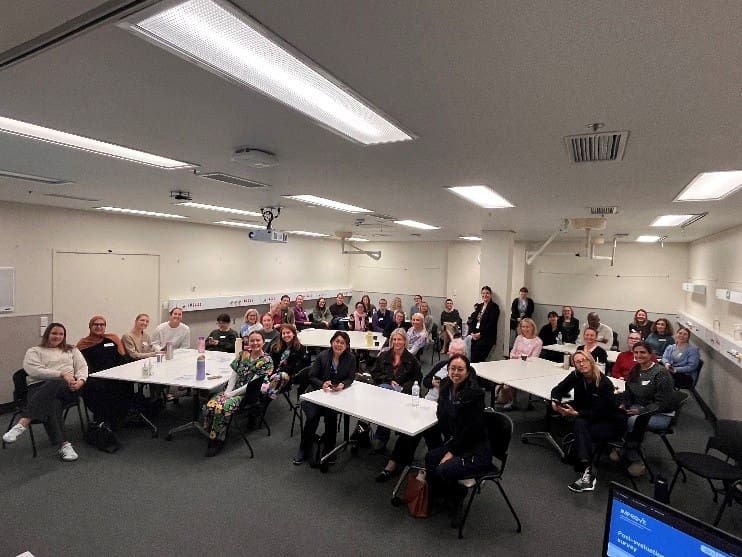
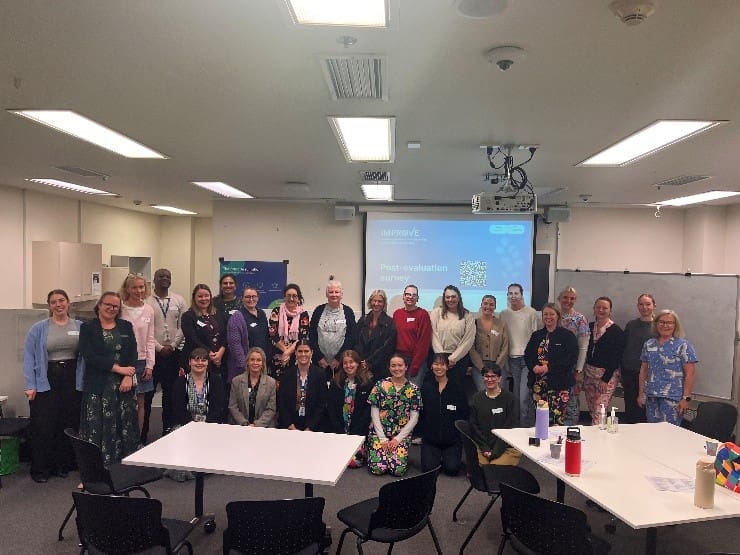
The update and expansion of the IMPROVE program including the face-to-face workshop, and eLearning program, will be launched at the upcoming Waves of change conference on the Gold Coast, August 7th. In preparation for the National launch, the CRE held a Train-the-trainer program for the national educator team with great success. More than 100 educators participated in over 400 sessions across the webinar series, a remarkable achievement and a testament to the value and reach of the program. The first workshops of the new program have now commenced, with the inaugural workshop held at Mater Mothers’ Hospital in Brisbane. 36 health care providers attended, with representation across the multidisciplinary team involved in providing perinatal loss care. Recent IMPROVE workshops in Melbourne and Sydney welcomed 47 and 36 participants respectively, with the program continuing on the Sunshine Coast later this July. For further information about hosting an IMPROVE workshop at your service, or for further information please contact improve@mater.uq.edu.au.
Parent Partnership in Research
Over the past six months, the Bereaved Parent Advocacy Committee has contributed to several areas of national work. This has included input into the CRE’s pre-budget submission, advocacy and statement of support following the CRE’s federal budget submission, and two consultation sessions with Nous Group as part of the evaluation of the National Stillbirth Action and Implementation Plan. These contributions are helping to ensure that policy and system-level discussions are informed by lived experience, not separated from it.
Parent voices have also supported education and knowledge translation. Bereaved parents have participated in filming for the IMPROVE program, bringing family perspectives into clinical education and helping clinicians understand the human impact of care after stillbirth and perinatal loss.
As we prepare for Waves of Change in August, parent-led and parent-informed contributions will be central to the program. These opportunities are not only about sharing stories. They are about helping shape how research, education and health systems respond to families after loss.
Together, this work reflects the CRE’s ongoing commitment to embedding lived experience in ways that are practical, respectful and connected to decision-making, so our work remains focused on what matters most to families.
Lancet Stillbirths Series Update
Informing the next Lancet Stillbirths Series – consultation activities at the International Maternal Newborn Health Conference (IMNHC)
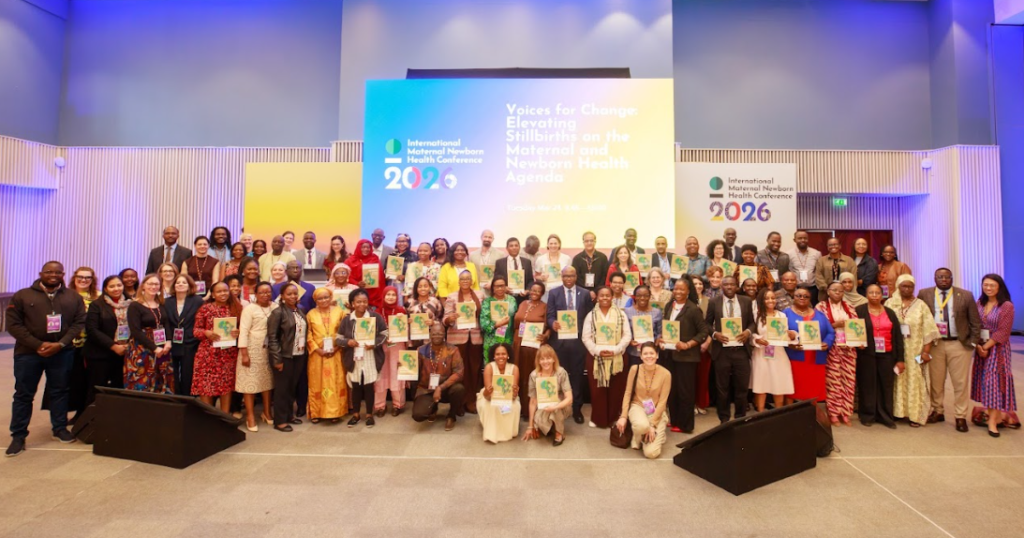
The International Maternal Newborn Health Conference (IMNHC) 2026, held in Nairobi, Kenya in March, brought together global stakeholders to advance action on maternal and newborn health and stillbirth prevention.
Stillbirths featured prominently across the conference, with several dedicated sessions and panels. A major highlight was the satellite session, “Voices for Change: Elevating Stillbirths on the Maternal and Newborn Health Agenda,” which convened more than 200 participants from governments, UN agencies, civil society, academia, and affected families. Moderated by Mary Kinney (University of Cape Town), the session included the launch of the State of Africa’s Stillbirths report and a consultation to inform the next Lancet Stillbirths Series. Stillbirth CRE staff and collaborators are actively engaged in this Lancet Series, including as paper authors and members of the Series Steering Group and Secretariat.
The Lancet Stillbirths Series consultation involved over 100 participants contributing to small‑group discussions across four themes: political prioritisation, sociocultural dynamics, practical solutions, and bereavement care. These discussions identified key challenges, research gaps, and priority actions for the next 3–5 years and beyond. Parent perspectives were central throughout, including powerful reflections from Moses Nsubiga, a bereaved father from Uganda, highlighting the social, emotional, and stigma‑related impacts of stillbirth.
A concluding panel, moderated by Étienne Langlois (PMNCH), focused on translating insights into action, emphasising workforce strengthening, improved data and accountability, community‑led innovation, and addressing sociocultural barriers. Closing reflections from Co‑Chairs of the Lancet Stillbirths Series Advisory Committee, Milcah Mwamadi (bereaved parent) and Dr Adeniyi Aderoba (WHO African Region), reinforced the importance of sustaining momentum, centring parent voices, and driving policy and implementation impact.
A subsequent participatory learning session also provided further insights relevant to the Lancet Series, particularly on recognising and learning from lived experience. Titled “Voices for Change: Ensuring More Responsive Maternal and Newborn Health Programming by Elevating Parents’ and Frontline Health Workers’ Experiences of Baby Loss,” the session created a safe, inclusive space for parents and frontline health workers to share experiences and insights on advocating for more respectful care and overcoming challenges in having their voices heard. With over 50 participants, including parents, NGOs, nurses, midwives and doctors, the discussion was rich and highly engaging. Participants highlighted key remaining barriers to preventing and managing stillbirth, shared examples of progress, and identified priority actions for the future. These insights will directly inform the Lancet series and strengthen ongoing global efforts to improve care and prevent stillbirths.
A webinar highlighting the outputs from this consultation can be viewed here. We thank Mary Kinney and Paula Quigley for assisting to prepare this summary.
Perinatal Society of Australia and New Zealand (PSANZ) 2026
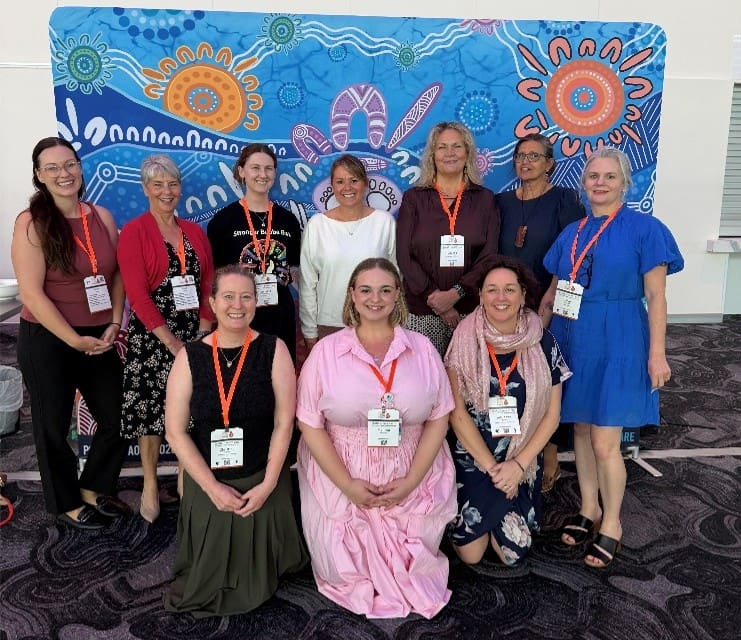
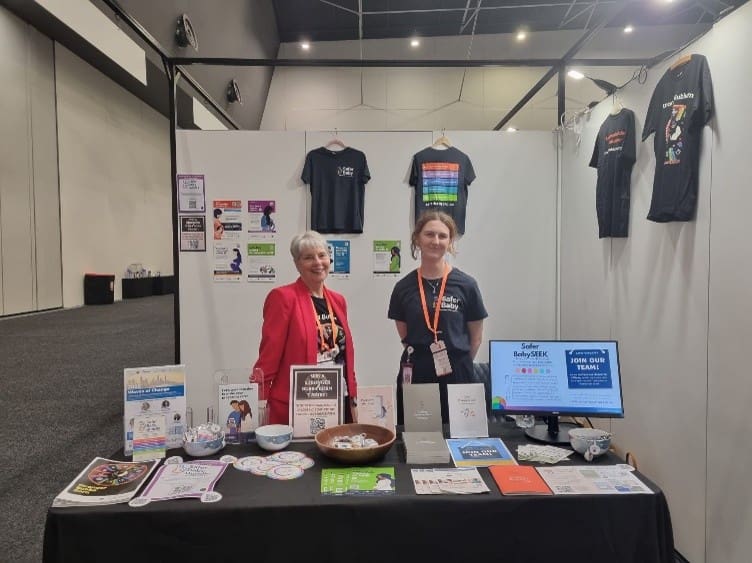
In March, the Stillbirth CRE hosted a highly visible and well‑attended booth at the PSANZ Annual Scientific Conference. The booth showcased a wide range of CRE resources, including bereavement care materials, culturally appropriate literature and a rolling digital display highlighting the breadth of CRE activities, research programs and national initiatives.
Importantly, the booth created valuable opportunities for the CRE team to speak directly with delegates, many of whom expressed strong interest in learning more about the Stillbirth CRE’s work, current projects, and future directions. These conversations reinforced the CRE’s reputation as a national leader in stillbirth prevention and highlighted the sector’s appetite for high‑quality, evidence‑based resources.
Importantly, the booth created valuable opportunities for the CRE team to speak directly with delegates, many of whom expressed strong interest in learning more about the Stillbirth CRE’s work, current projects, and future directions. These conversations reinforced the CRE’s reputation as a national leader in stillbirth prevention and highlighted the sector’s appetite for high‑quality, evidence‑based resources.
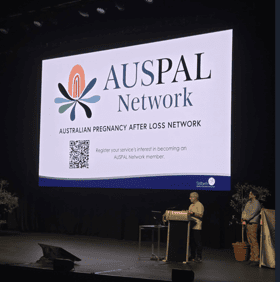
The Stillbirth CRE was also proud to present during the Congress. Stillbirth CRE Co-Director Professor David Ellwood, alongside bereaved parent advocate Rob Saunders, officially launched the Australian Pregnancy After Loss (AUSPAL) Network.
The Network was established to provide leadership, structure, standards and partnerships to help ensure that all families experiencing pregnancy after loss receive consistent, high-quality, compassionate and culturally safe care. Through collaboration between parents, clinicians, researchers and health services, the Network aims to reduce inequities, improve outcomes and strengthen support across Pregnancy After Loss (PAL) services nationally.
Health services interested in joining the Network are encouraged to register their interest via the AUSPAL EOI.
Aboriginal Stillbirth Prevention Symposium 2026
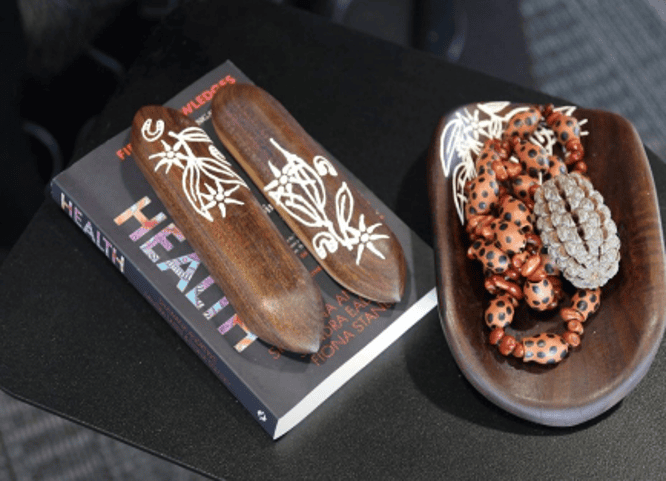
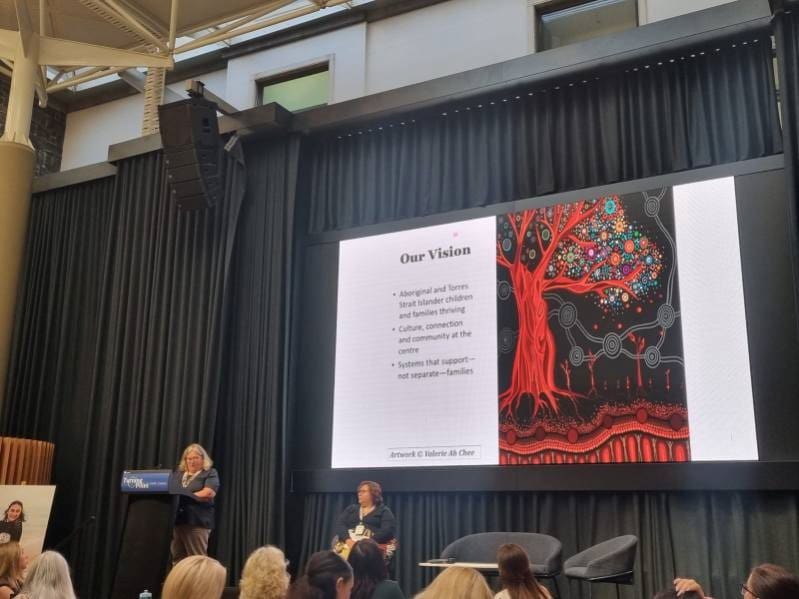
The national two-day Aboriginal Stillbirth Prevention Symposium, held on 26 March in Perth (Boorloo), brought together researchers, health professionals, policymakers, and community partners from across the country to strengthen efforts in stillbirth prevention through culturally responsive, evidence-informed approaches grounded in Aboriginal and Torres Strait Islander leadership and ways of knowing, being, and doing.
Deanna Stuart-Butler and Valerie Ah Chee represented the Stillbirth CRE at the Symposium presenting the important work being led to improve outcomes and reduce stillbirth risk for Aboriginal and Torres Strait Islander families and communities.
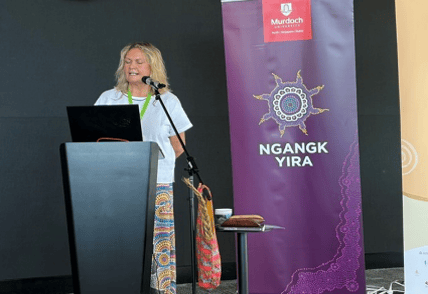
Deanna presented on the extensive work undertaken to date by the Indigenous team at the Stillbirth CRE, highlighting the strength of culturally informed approaches and community-led initiatives in advancing stillbirth prevention efforts. Valerie provided an update on the Stronger Bubba Born translation project, Strength in Language, Power in Community: Translating Stronger Bubba Born for Stillbirth Prevention in Australia. This important project aims to translate the overarching Stronger Bubba Born video into Martu Wangka, supporting the delivery of culturally safe and accessible stillbirth prevention messaging for community.
A standout session was delivered by Professor Shaun Brennecke, who spoke on the critical role of hypertension and preeclampsia in pregnancy outcomes. His presentation, Improving Pregnancy Outcomes Among Aboriginal and Torres Strait Islander Mothers through the PROGNOSIS Study, offered valuable insights and sparked important discussion.
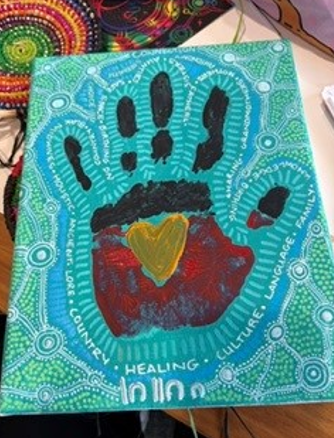
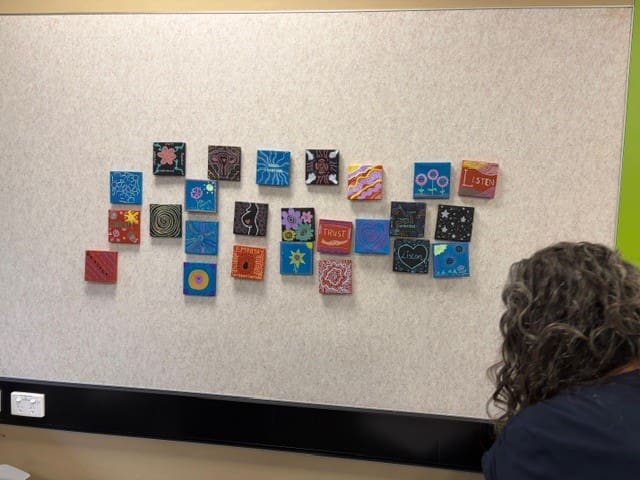
Participants also had the opportunity to take a break and reflect through creative artwork with Aunt Millie, Aunty Mari and Aunty Kay.
Overall, the symposium was an enriching and energising opportunity to learn, connect, and strengthen partnerships with others dedicated to the shared goal of reducing stillbirth in First Nations communities.
Stronger Bubba Born: Healthy Yarning Guide Workshops
Last year, we held 4 Stronger Bubba Born: Healthy Yarning Guide Workshops across Brisbane, Perth and Ipswich.
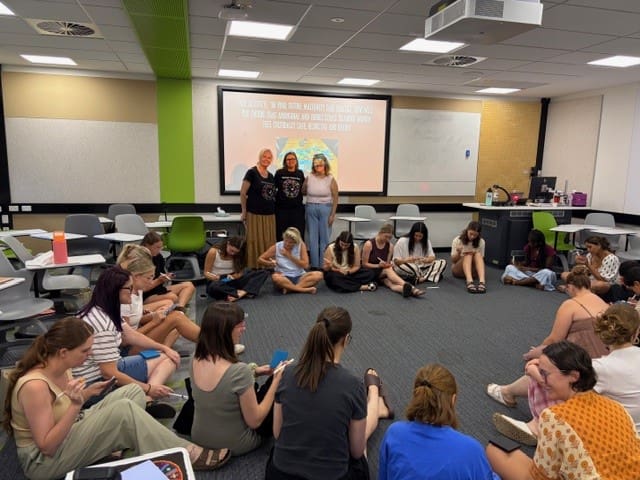
In early February, we delivered the Stronger Bubba Born: Healthy Yarning Guide workshop with Curtin University’s midwifery students, focusing on strengthening culturally responsive perinatal care for Aboriginal and Torres Strait Islander women.
Across the day, students engaged deeply with the historical and contemporary factors influencing maternal health, explored best‑practice stillbirth prevention, and built confidence in having safe, respectful, and meaningful conversations with First Nations families.
It’s inspiring to see future midwives committed to culturally responsive care and improving outcomes for First Nations women, their babies and their families.
Every Week Counts Collaborative/Yarning Circle
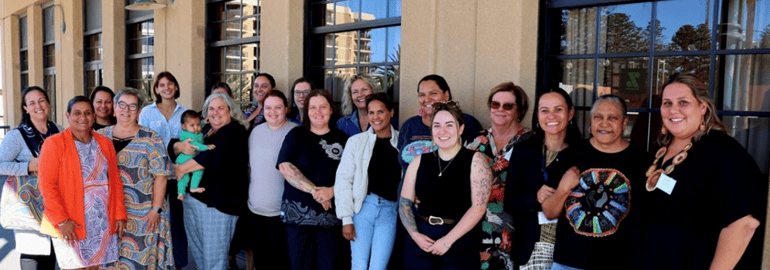
Stillbirth CRE’s Deanna Stuart-Butler and Valerie Ah Chee attended the Every Week Counts National Collaborative and First Nations Yarning Circle held in March 2026 in Adelaide, which brought together First Nations advisors who had previously met in Brisbane.
A total of 25 First Nations participants attended, including a diverse group of health professionals and consumer representatives. The second Yarning Circle aimed to ensure First Nations voices were meaningfully embedded in programs and strategies focused on reducing the incidence of preterm birth in First Nations communities across Australia.
2026 Growing Deadly Families Community of Practice Forum
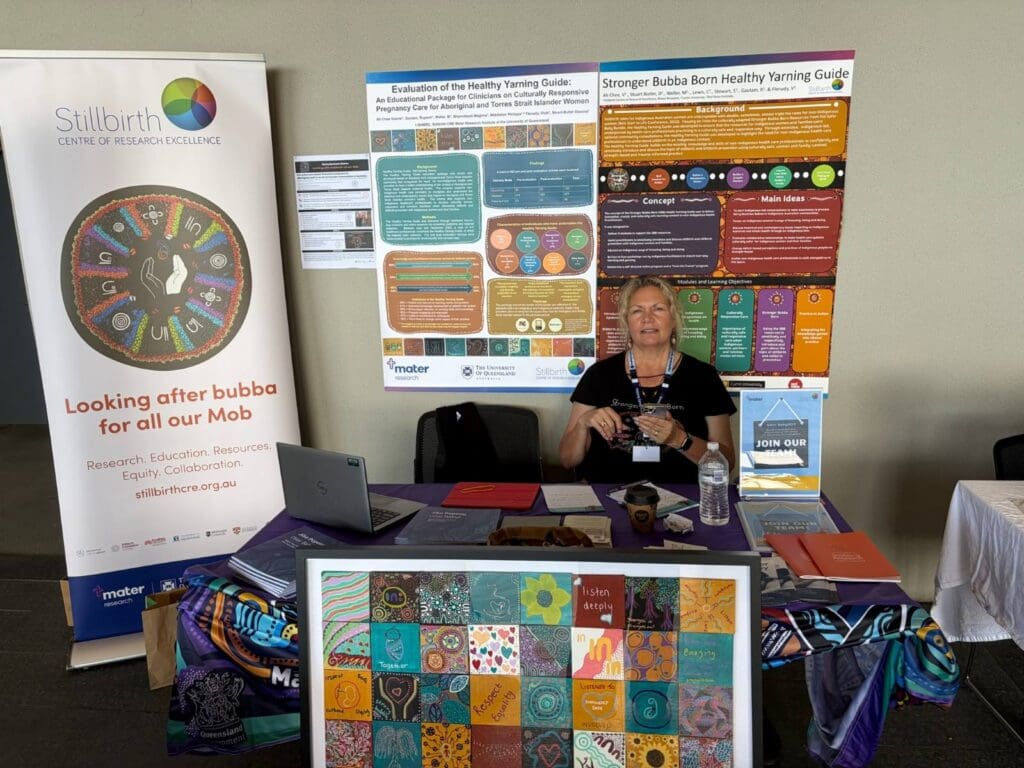
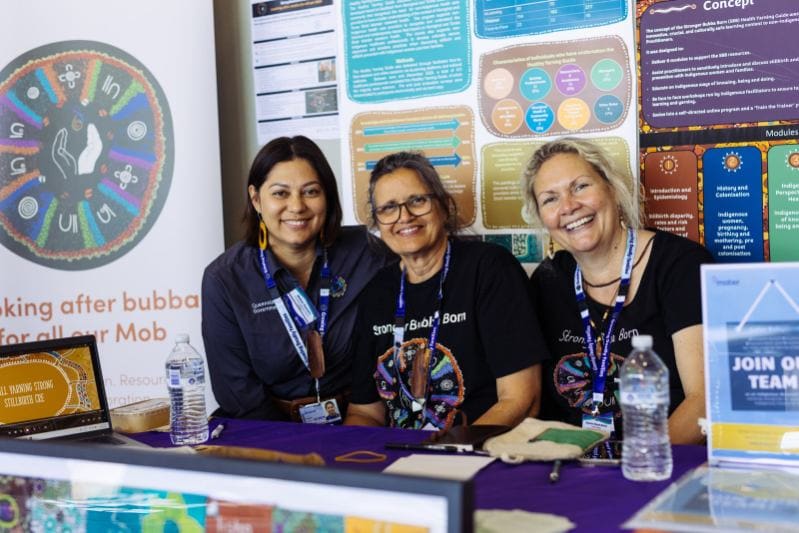
Deanna Stuart-Butler and Valerie Ah Chee were invited to host a booth showcasing the Stillbirth CRE Indigenous resources including Stronger Bubba Born and Jiba Pepeny at the Growing Deadly Families (GDF) Community of Practice Forum held in Brisbane on Wednesday, 11 March 2026.
The two-day face-to-face forum brought together representatives from all GDF-funded sites to share knowledge, celebrate achievements, and collaborate with colleagues across Queensland to strengthen maternity models of care for First Nations women. The forum theme, Strengthening Generations from Bump to Beyond, highlighted the importance of culturally informed and community-led approaches to improving maternal and infant health outcomes.
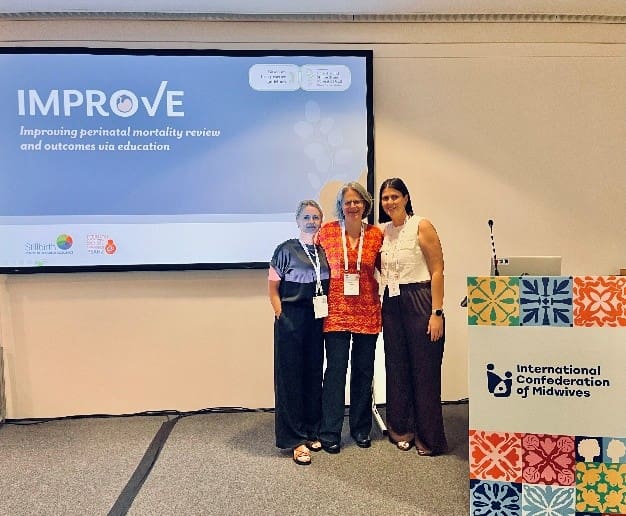
International Confederation of Midwives (ICM) Congress Lisbon, Portugal
“It was a privilege to represent the Stillbirth Centre of Research Excellence (CRE) and the Mater Mothers’ Perinatal Loss Service and at the International Confederation of Midwives (ICM) Congress in Lisbon, Portugal”.
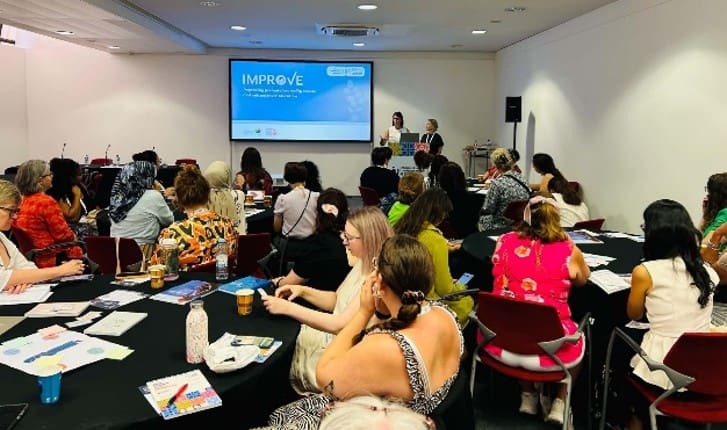
Emma Porter and Cherie Martin co-facilitated a 90-minute IMPROVE (IMproving Perinatal Mortality Review and Outcomes Via Education) workshop, sharing evidence-based approaches to caring for families following pregnancy and baby loss with midwives and healthcare professionals from around the world. The workshop was exceptionally well received, with overwhelmingly positive feedback from delegates, highlighting the importance of education in improving bereavement care.
“Bringing together more than 3,200 midwives from across the globe, the Congress provided an invaluable opportunity to share our work, learn from international colleagues, and strengthen global collaboration to improve care for families affected by pregnancy and baby loss.
Waves of Change 2026
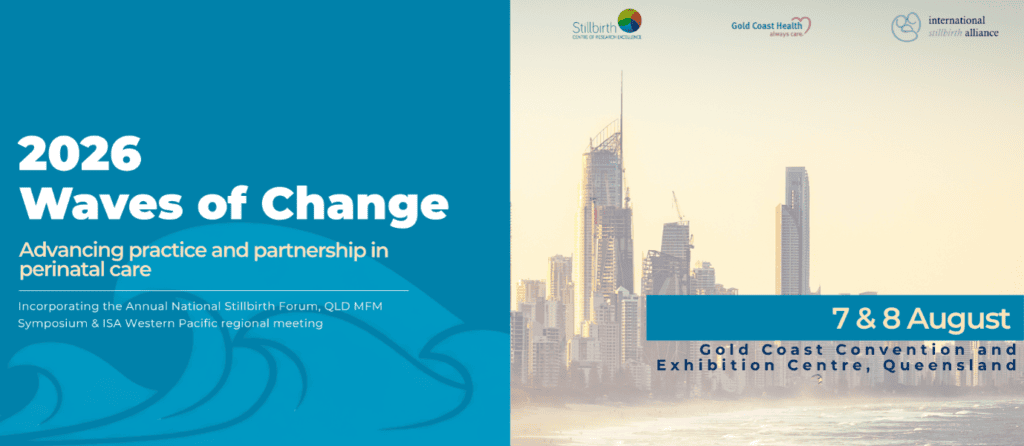
Join us at Waves of Change conference on 7–8 August 2026 at the Gold Coast Convention and Exhibition Centre for two inspiring days of learning, collaboration and innovation in maternity, perinatal and neonatal care.
This year’s theme will focus on “Advancing Practice and Partnerships in Perinatal Care and will bring together more than 20 internationally recognised clinicians and researchers to share the latest evidence, emerging innovations and future directions shaping clinical practice. Delegates will gain practical, evidence-based insights from leaders driving improvements in care and outcomes across the sector.
The Waves of Change conference incorporates the Annual National Stillbirth Forum, the Queensland Maternal Fetal Medicine Symposium, and the International Stillbirth Alliance Western-Pacific regional meeting.
We look forward to welcoming you to the Gold Coast in 2026. Secure your place and purchase your ticket here. Early bird tickets still available.
Waves of Change 2026 is proudly sponsored by GE HealthCare, Stillbirth Foundation Australia, Griffith University, Mater Research and the Gold Coast Hospital Foundation.
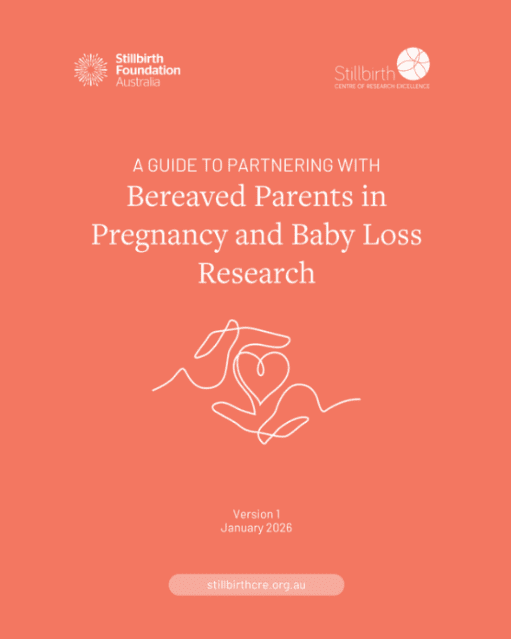
New Resource Available: A Guide to Partnering with Bereaved Parents in Pregnancy and Baby Loss Research
Partnering with Bereaved Parents in Pregnancy and Baby Loss Research is now available online for download.
This guide sets out clear, practical standards to support ethical, respectful and sustainable partnership with bereaved parents across research design, governance and translation.
It has been developed as a companion resource to Getting Involved in Stillbirth Research: a guide for bereaved parents, supporting shared expectations and clarity for both researchers and parent partners.
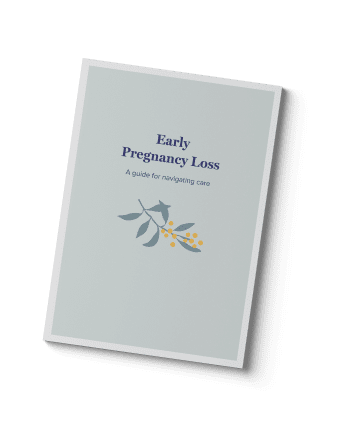
Early Pregnancy Loss and Pregnancy after Loss Guides Now Available
The Early Pregnancy Loss Guide is a compassionate, evidence-based resource designed to support parents and families experiencing pregnancy loss before 20 weeks. Developed with healthcare professionals, researchers and parents with lived experience, the guide provides clear information, care options, emotional support and practical resources to help families feel informed and supported throughout their journey.
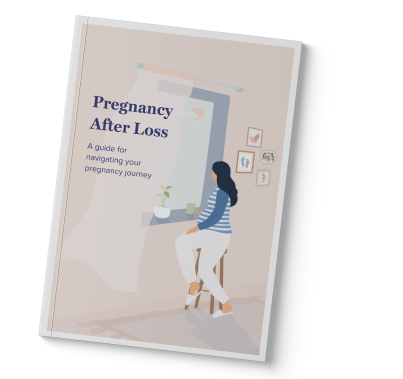
The Pregnancy After Loss Guide was carefully created by a team of parents, healthcare professionals, researchers, and support organisations— many with personal experience of pregnancy and baby loss. Together, they have worked to share the information, insights, and support they believe are most helpful during a pregnancy after loss. It includes practical tips, emotional support tools, and space to reflect with clear, easy to understand language.
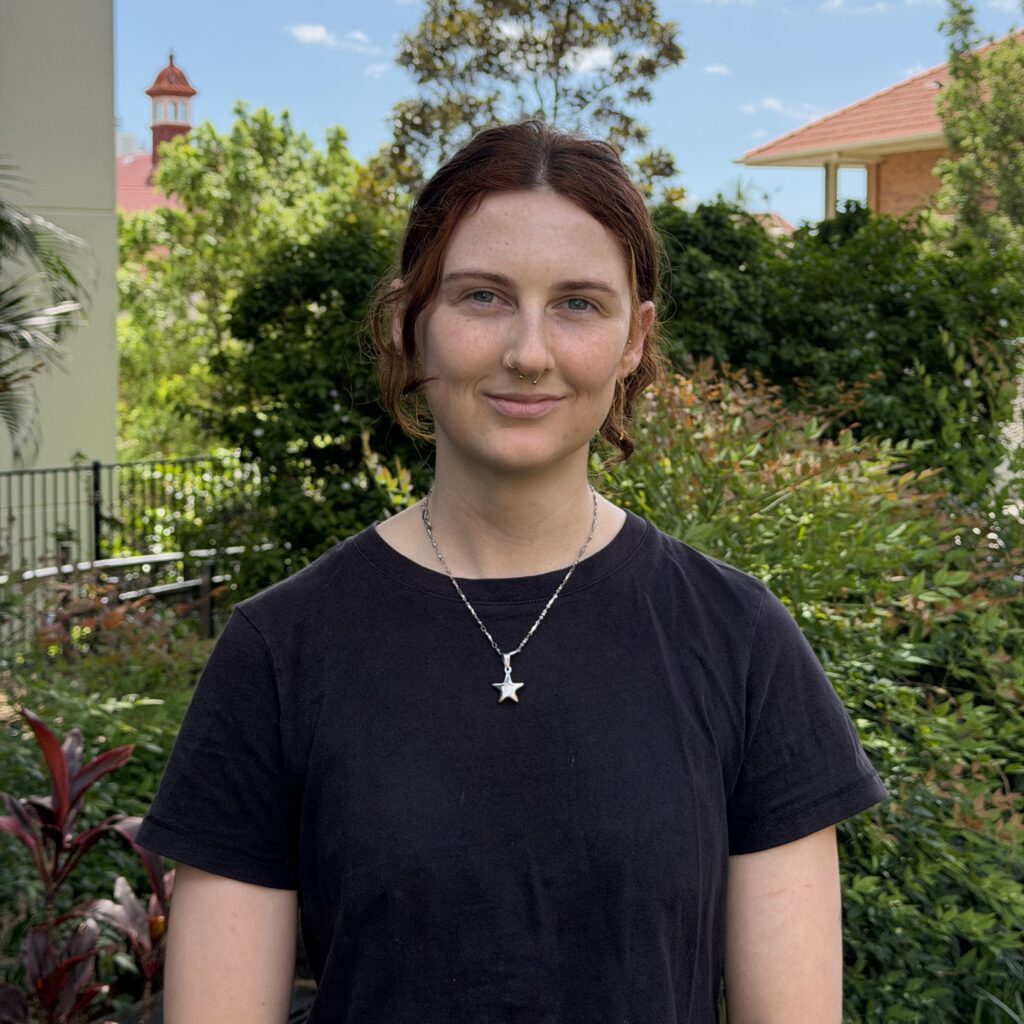
Jasmine Downs-Cowan
Jasmine Downs‑Cowan has recently joined the Stillbirth CRE as a Senior Research Assistant. Jasmine will be working across the prevention stream, with a focus on the education portfolio. Read more here.
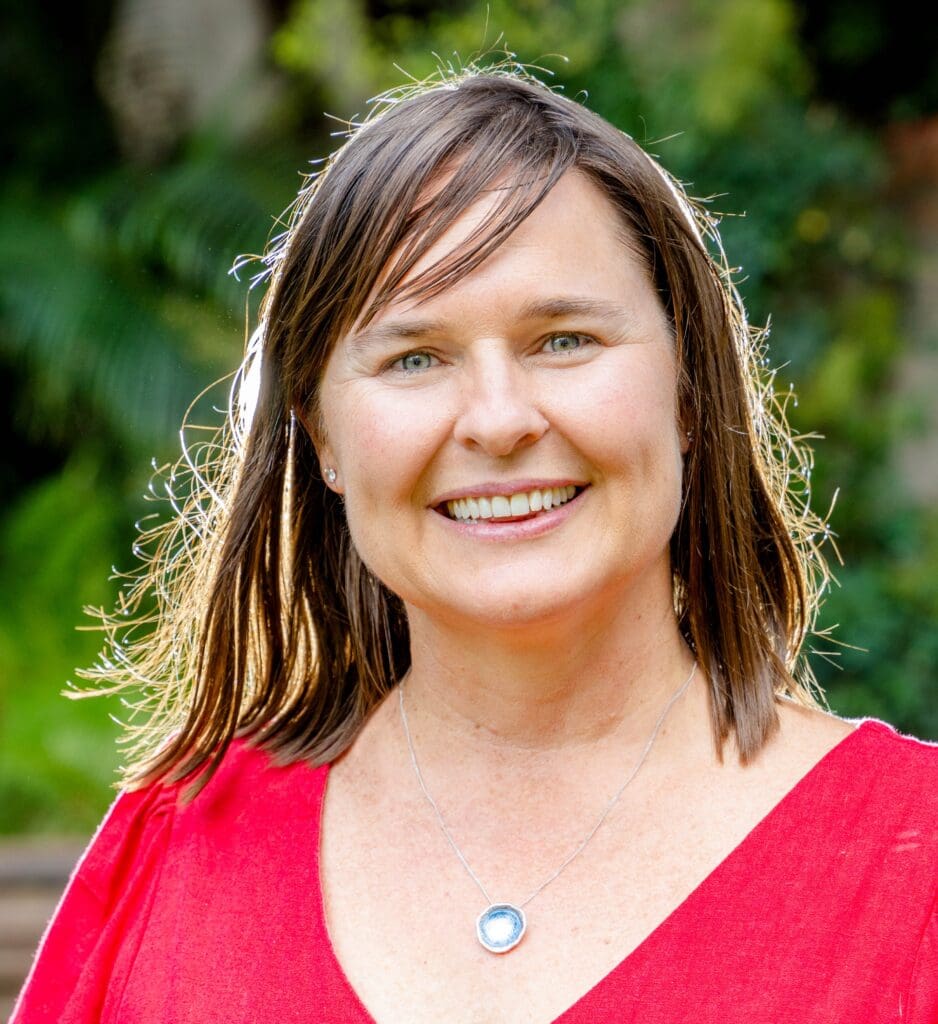
Kate Jarret
Kate is a senior Research Manager, Centre of Research Excellence in Stillbirth and Genesis Maternal Fetal Medicine Research Group. Her responsibilities span research governance, ethics and compliance, risk and quality management, as well as stakeholder engagement. Read more here.

Tasmin Vey
Tasmin recently joined the Stillbirth CRE team as a Research Administration Officer.
Tasmin’s work is diverse and ever-changing daily to support the operation of Stillbirth CRE involving various administrative tasks and organisation of the Waves of Change for 2026. Read more here.
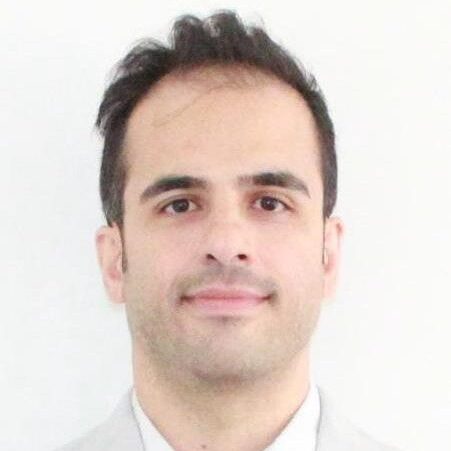
Dr Saeed Jaydarifard
Dr Saeed Jaydarifard recently joined as a Research Fellow in Clinical Epidemiology.
Saeed’s work focuses on improving maternal and infant health outcomes through the application of advanced statistical and epidemiological methods. Read more here.
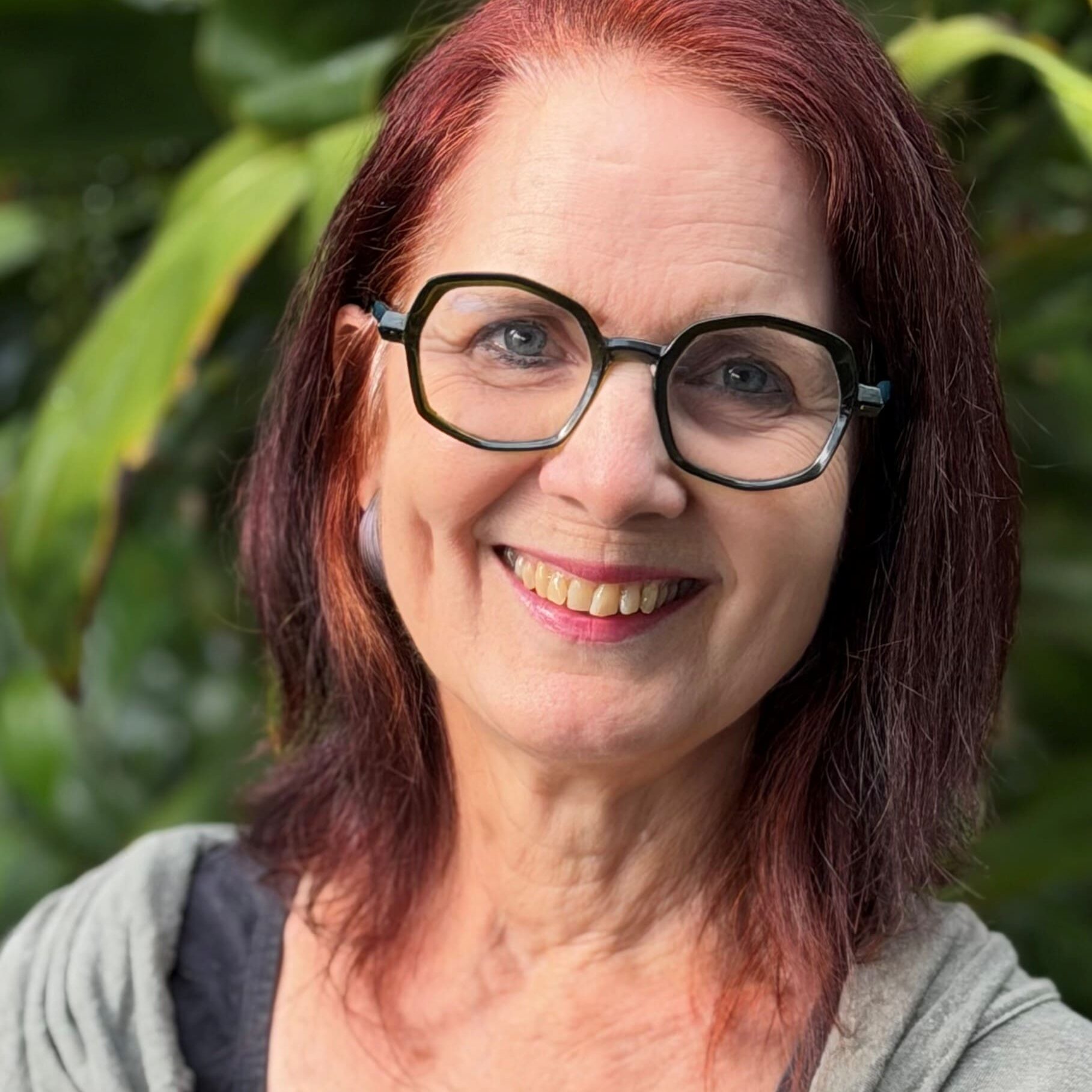
Dr Julie Dean
Julie Dean joined the Stillbirth CRE as a Research Associate. Her role focuses on supporting the adaptation of the Living with Loss online program to meet the needs of parents who experience early pregnancy loss and subsequent pregnancy. Read more here.

Teegan McGill
Teegan McGill joined the team as an Aboriginal Research Officer. Teegan has family and ancestral ties to Ngarabal country in northern NSW. Teegan will be working on the Safer Baby Seek project, predominantly with regional and remote Indigenous communities. Read more here.
A very warm welcome to all our new team members!
PhD Top Up Scholarships
The Stillbirth CRE recently offered three PhD Top-Up Scholarships to support emerging researchers undertaking projects aligned with the CRE’s priorities. The scholarships attracted strong interest nationally and reflect the CRE’s ongoing commitment to building research capacity and supporting the next generation of stillbirth researchers across Australia. Scholarship recipients will be announced at the Waves of Change conference in August.
Supporting parents after loss: https://pubmed.ncbi.nlm.nih.gov/41512797/
Care after perinatal loss: https://pubmed.ncbi.nlm.nih.gov/41564619/
Perinatal depression: https://pubmed.ncbi.nlm.nih.gov/41708164/
Care bundles: https://pubmed.ncbi.nlm.nih.gov/41708224/
Enablers and barriers to Safer Baby Bundle implementation: https://pubmed.ncbi.nlm.nih.gov/41387855/
Research priorities for stillbirth in Australia: https://pmc.ncbi.nlm.nih.gov/articles/PMC12849368/
Queensland Safer Baby Bundle: https://link.springer.com/article/10.1186/s43058-026-00921-2
Classification systems: https://pubmed.ncbi.nlm.nih.gov/41708222/
Decreased fetal movements: https://pubmed.ncbi.nlm.nih.gov/41817122/
Victorian Safer Baby Bundle outcomes: https://pubmed.ncbi.nlm.nih.gov/41817122/
Perinatal autopsy reporting: https://pubmed.ncbi.nlm.nih.gov/41073225/
Global scorecard: preventing stillbirths: https://pubmed.ncbi.nlm.nih.gov/41486421/
Priority populations: https://obgyn.onlinelibrary.wiley.com/doi/10.1111/ajo.70085
Risk prediction for stillbirth: https://pubmed.ncbi.nlm.nih.gov/41255304/
Maternal risk stratification: https://pubmed.ncbi.nlm.nih.gov/41106577/
Level 3, Aubigny Place
Mater Research Institute
Raymond Terrace,
South Brisbane QLD 4101
The University of Queensland Faculty of Medicine