About Us
Researchers + Clinicians
Parents

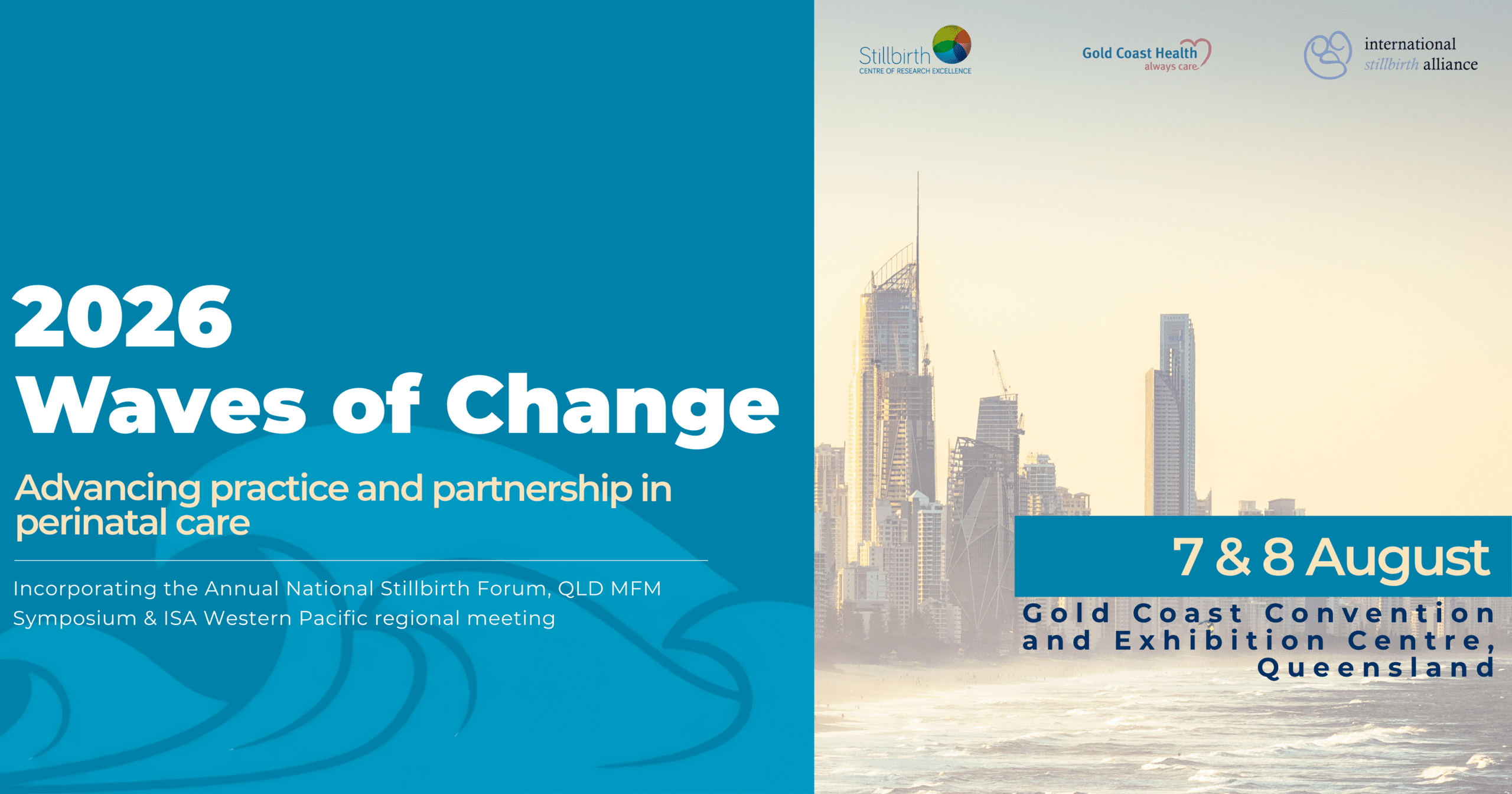
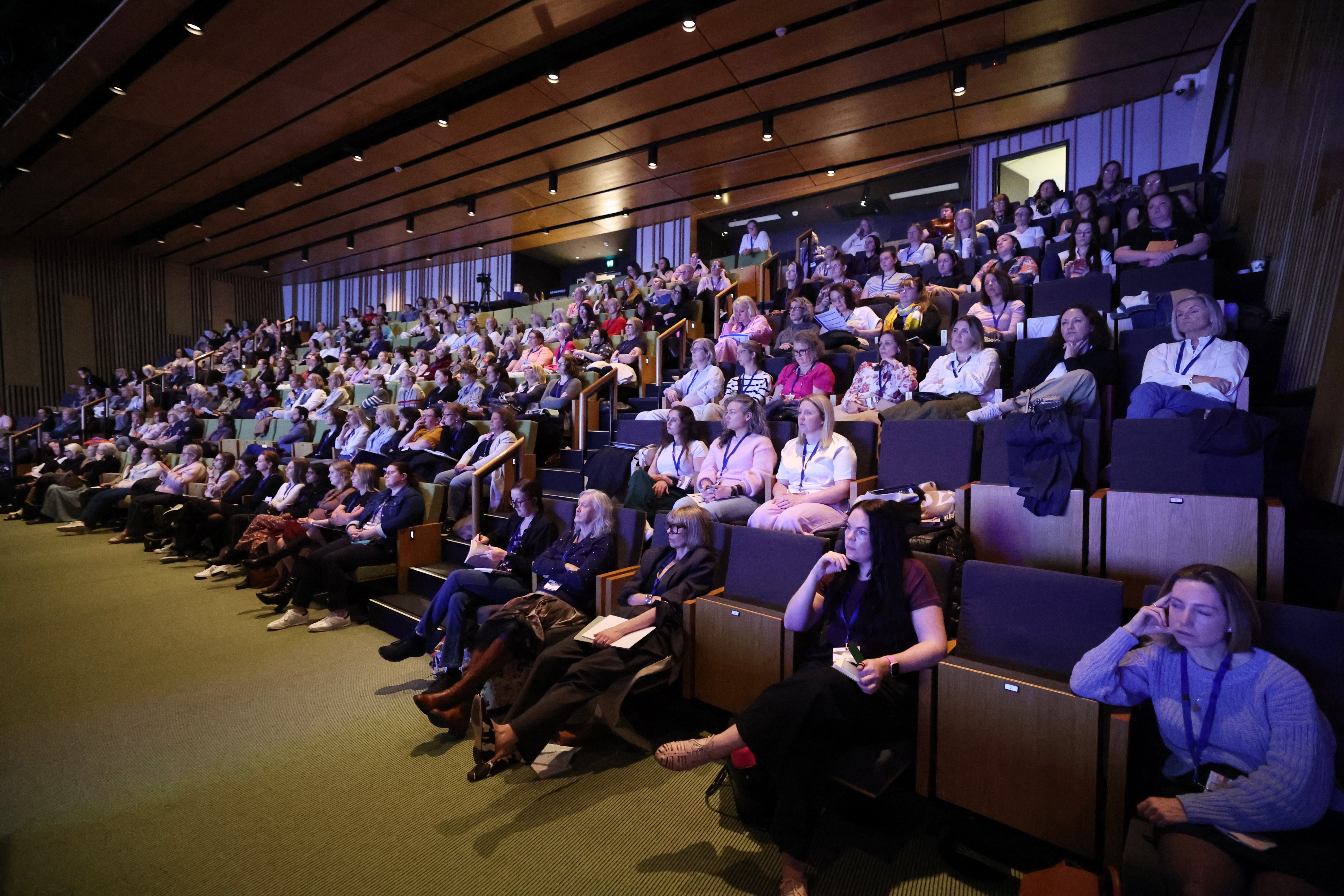
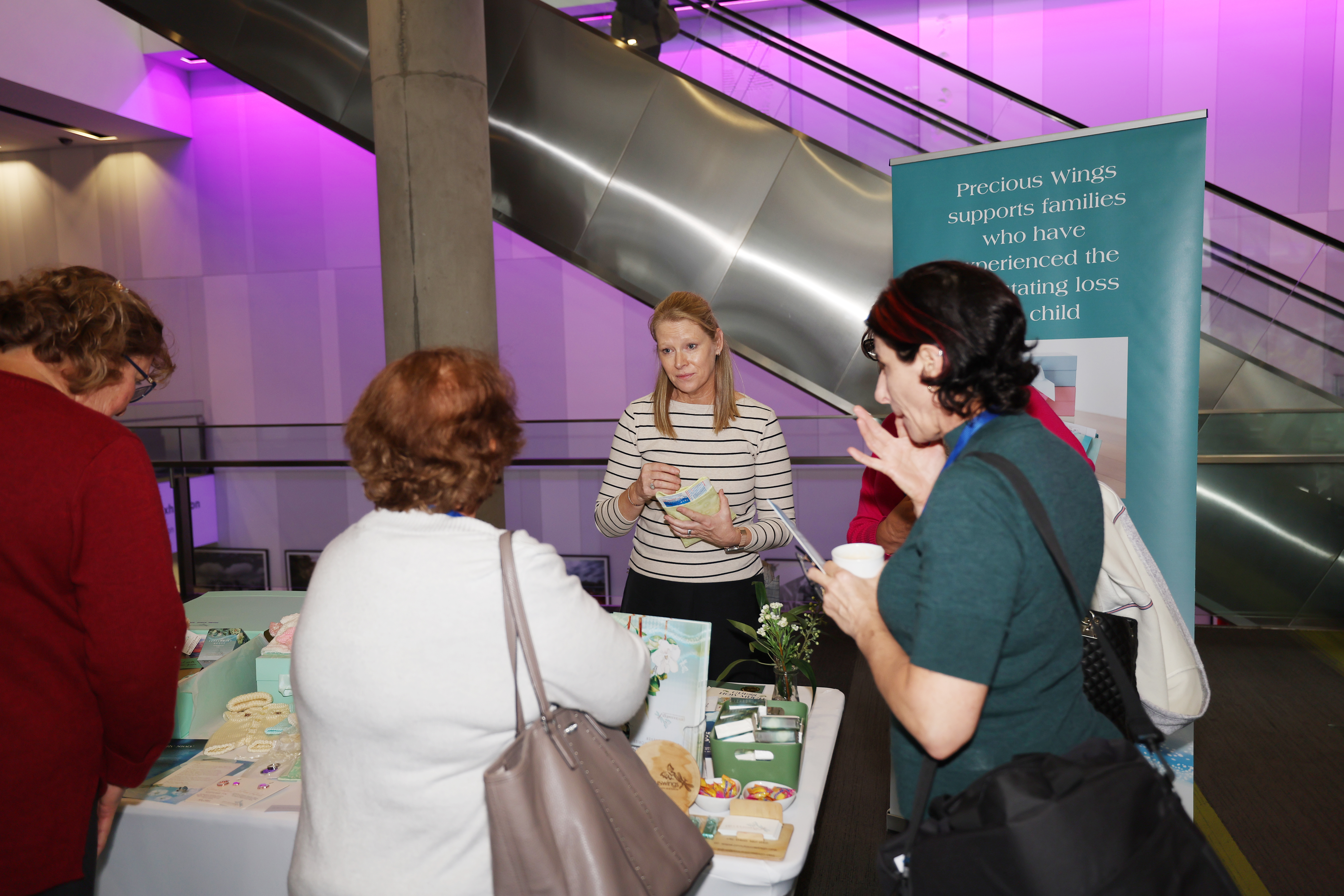
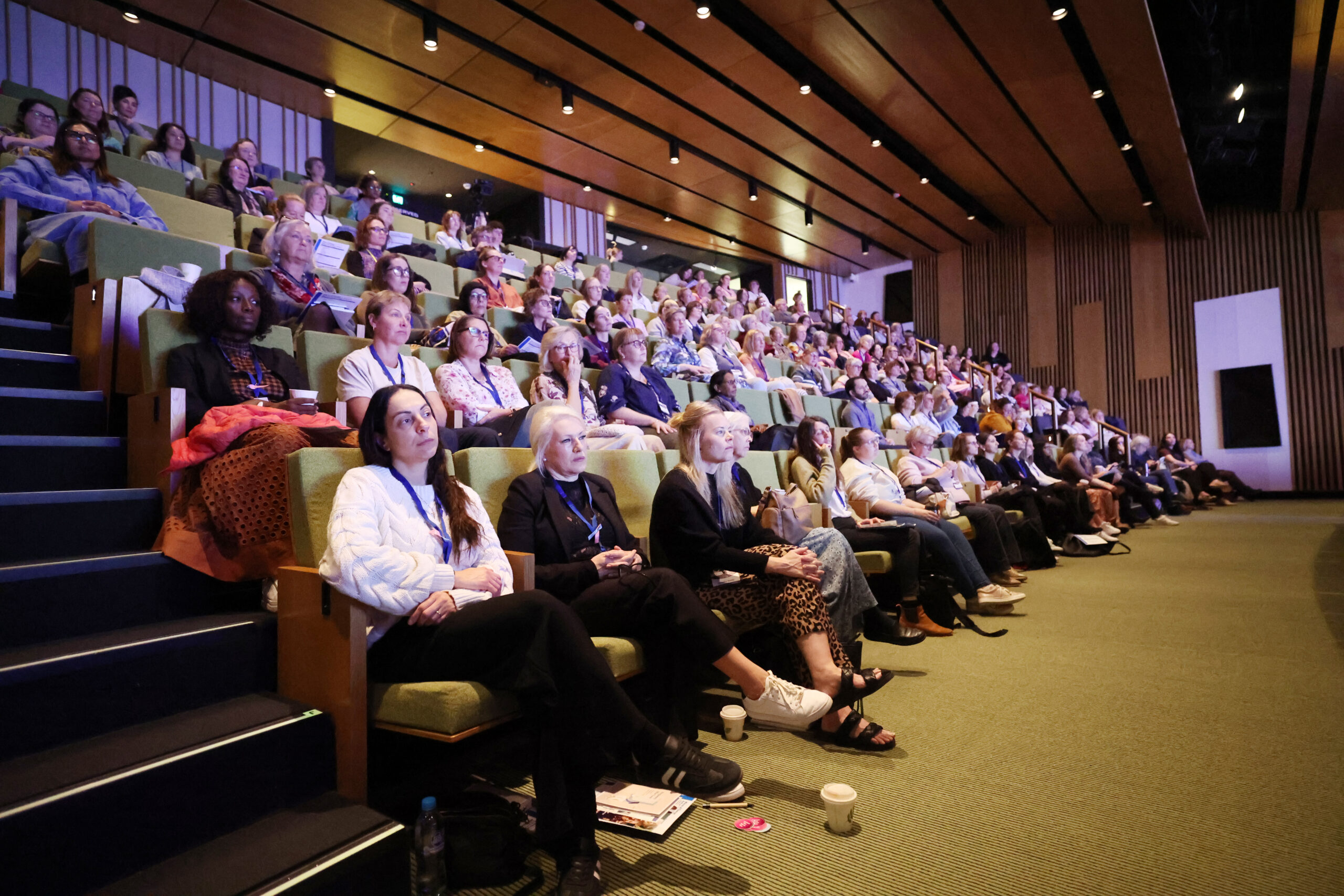
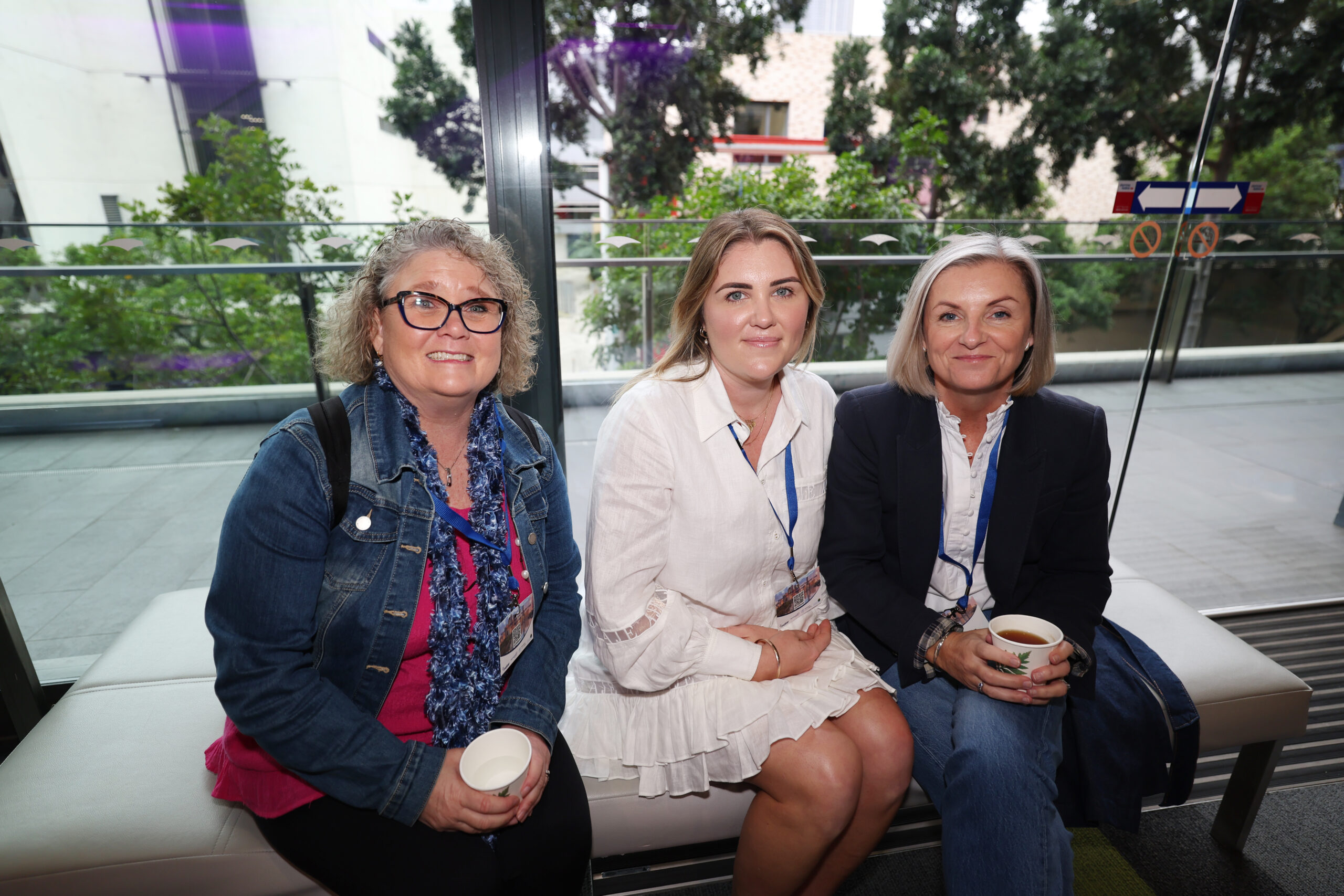
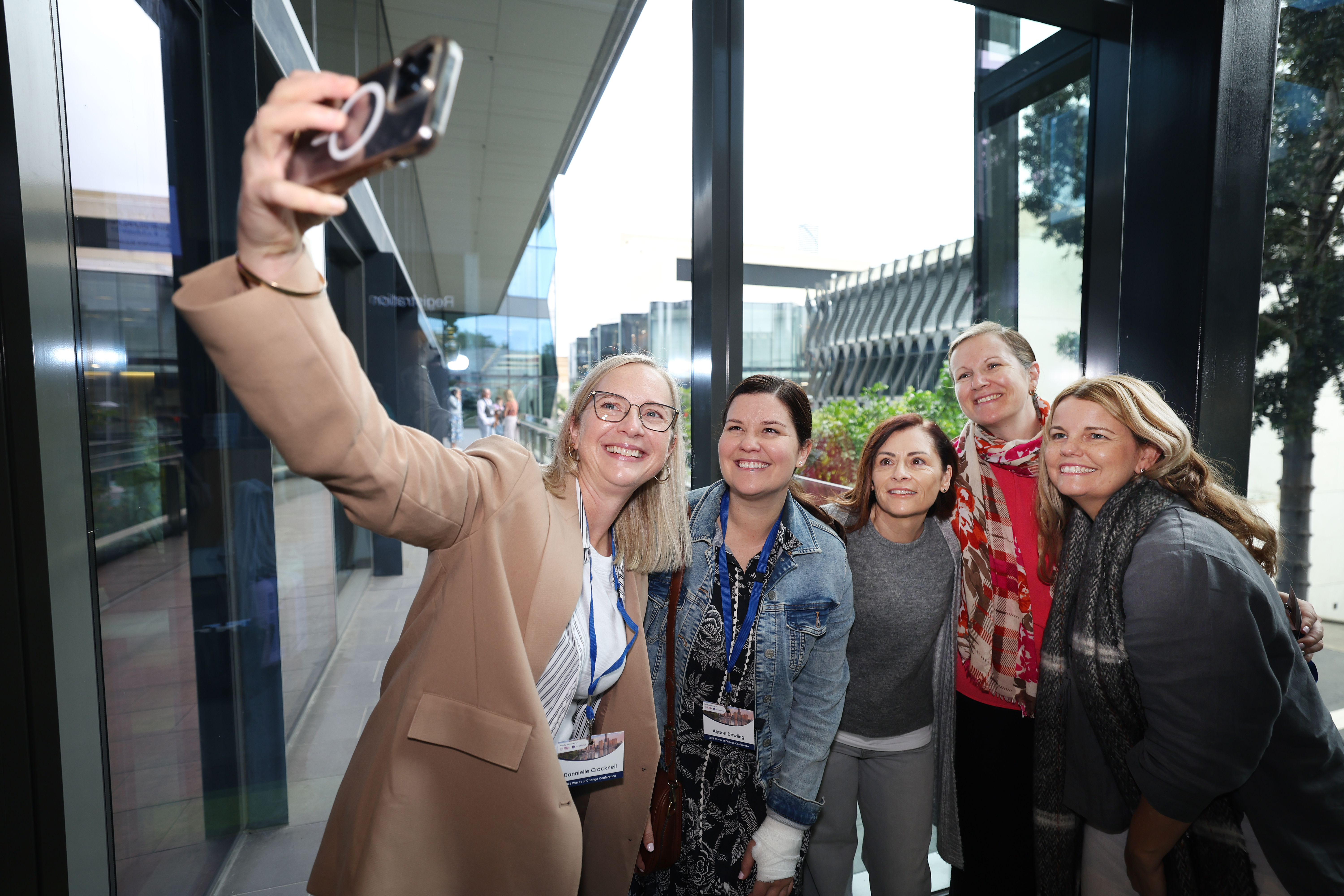
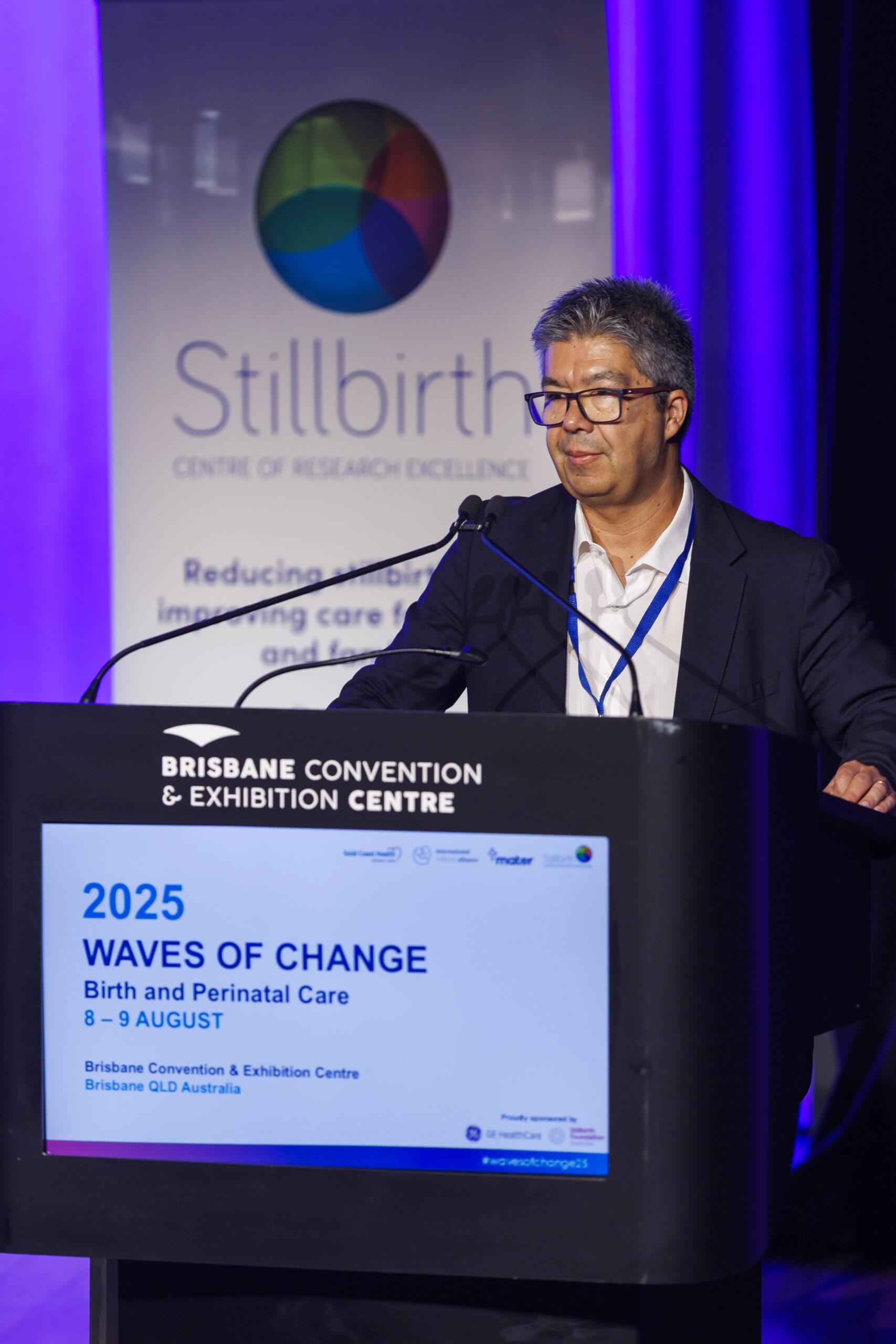
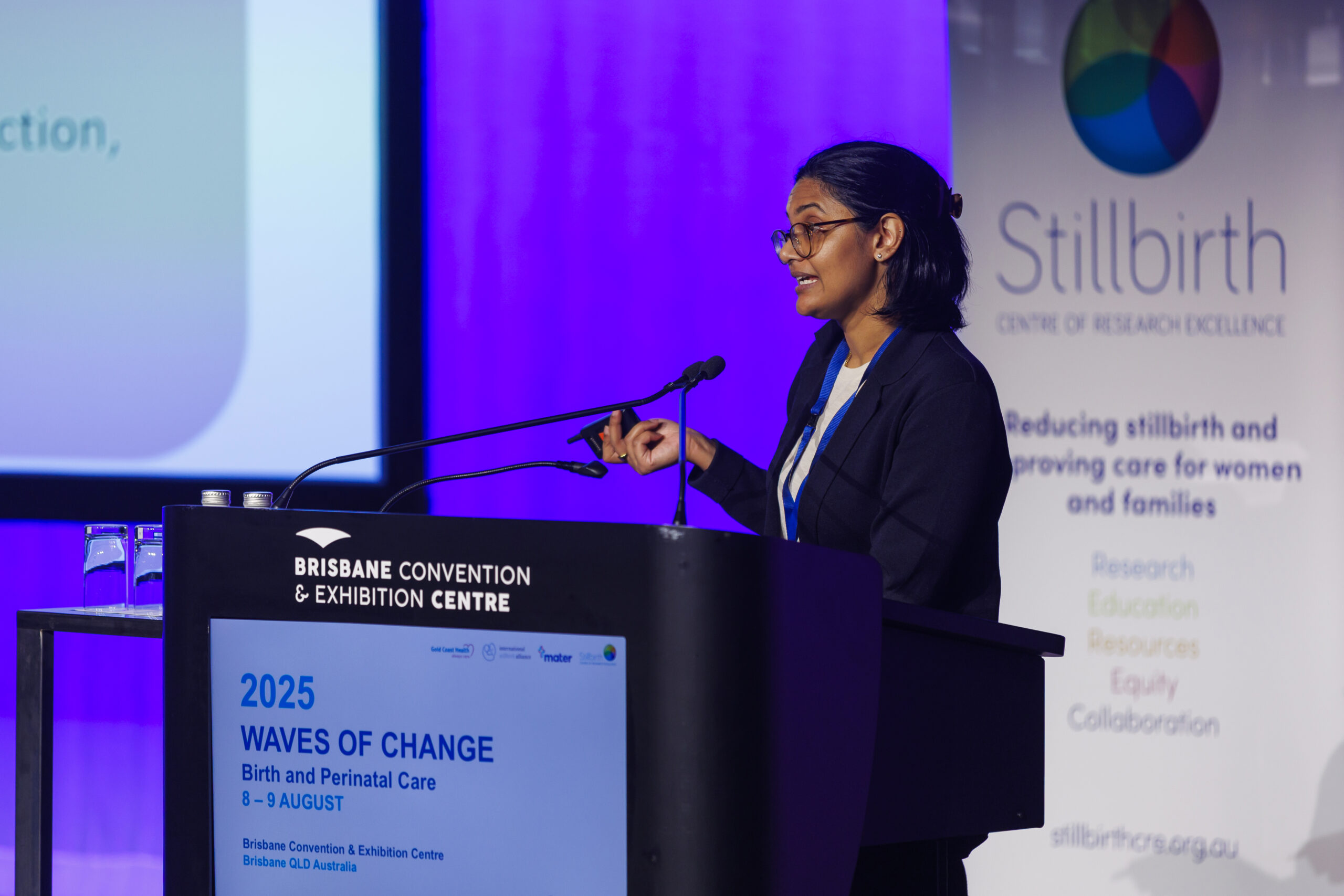
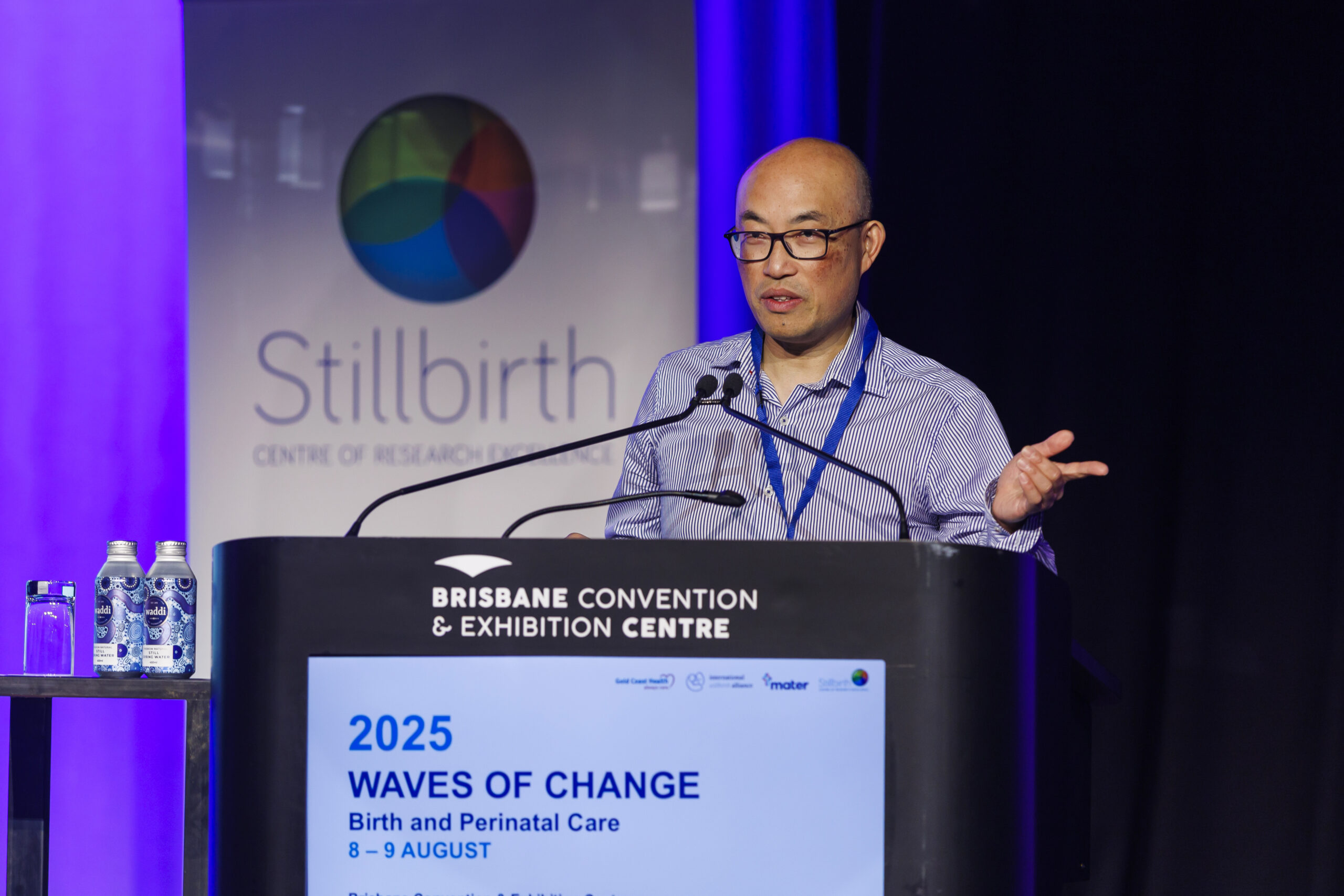
We’re excited to welcome you back to the Gold Coast on 7–8 August 2026 for another inspiring Waves of Change Conference — incorporating the Annual National Stillbirth Forum, the Queensland Maternal Fetal Medicine Symposium, and the International Stillbirth Alliance Western-Pacific regional meeting.
This year’s theme will focus on “Advancing Practice and Partnerships in Perinatal Care” and will showcase leading voices and fresh perspectives from across Australia and around the globe.
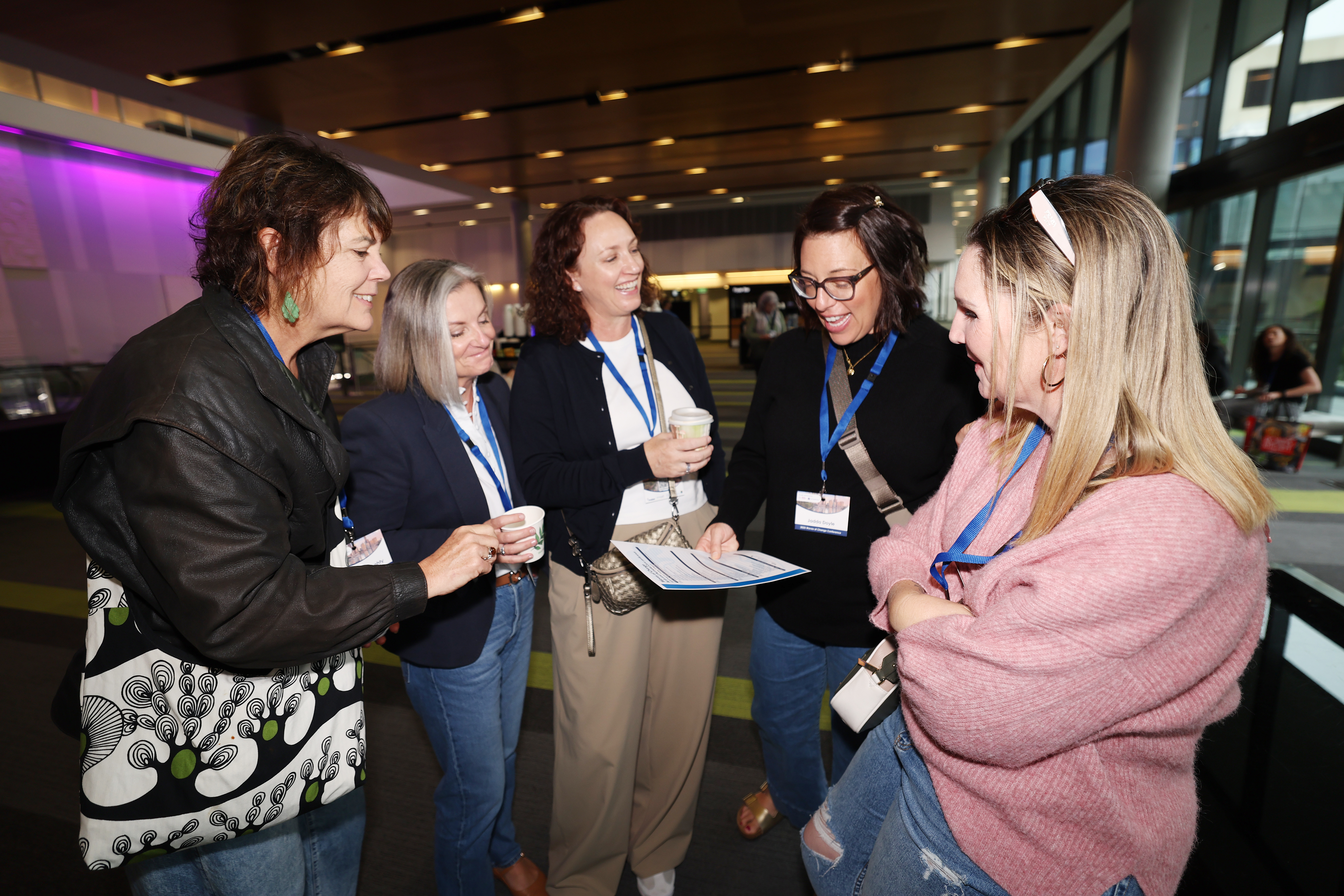
Bringing together maternity healthcare professionals, researchers, policymakers and parents, Waves of Change 2026 is a space to inspire innovation, deepen partnerships, and shape the future of perinatal care. We can’t wait to see you there!
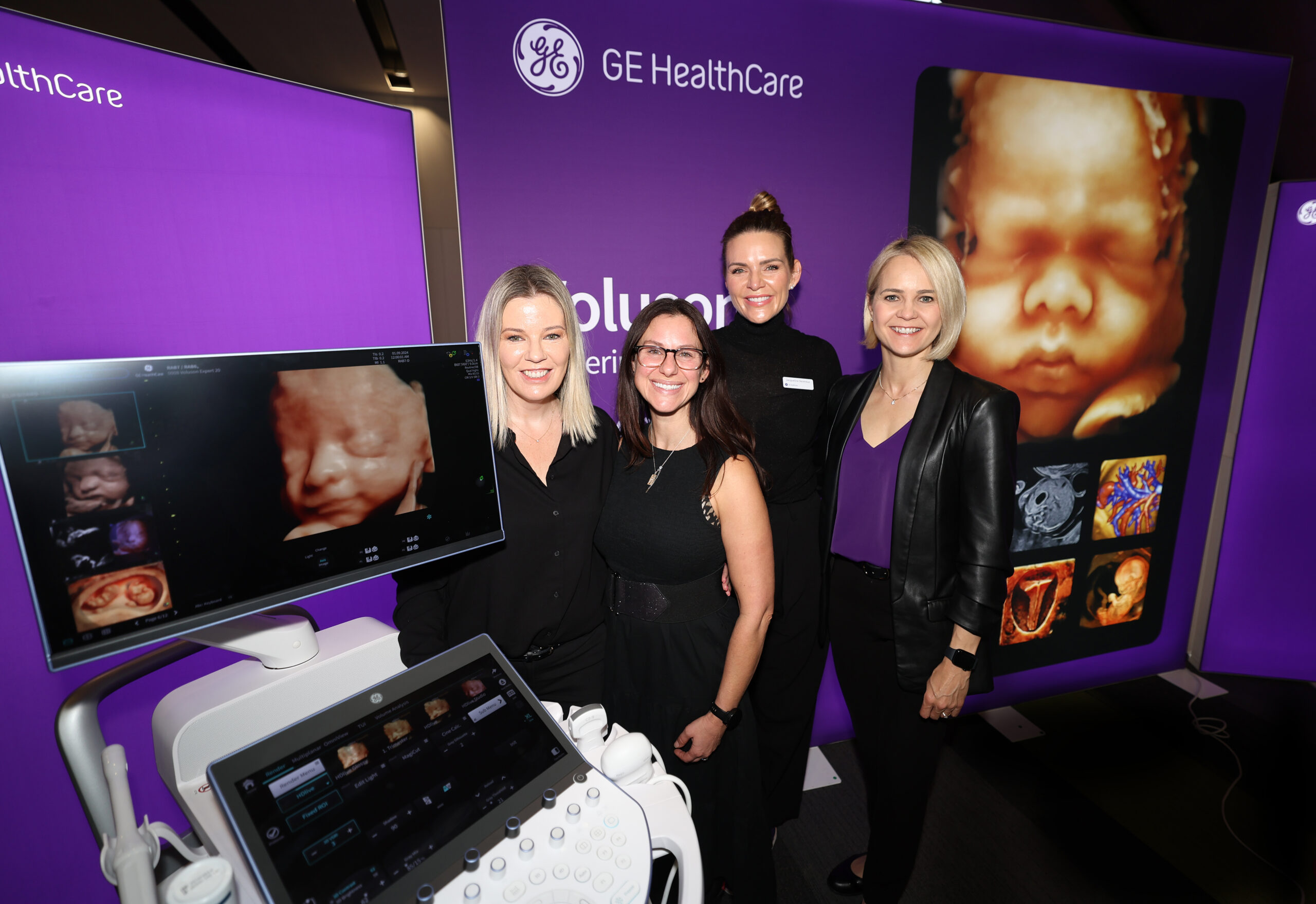
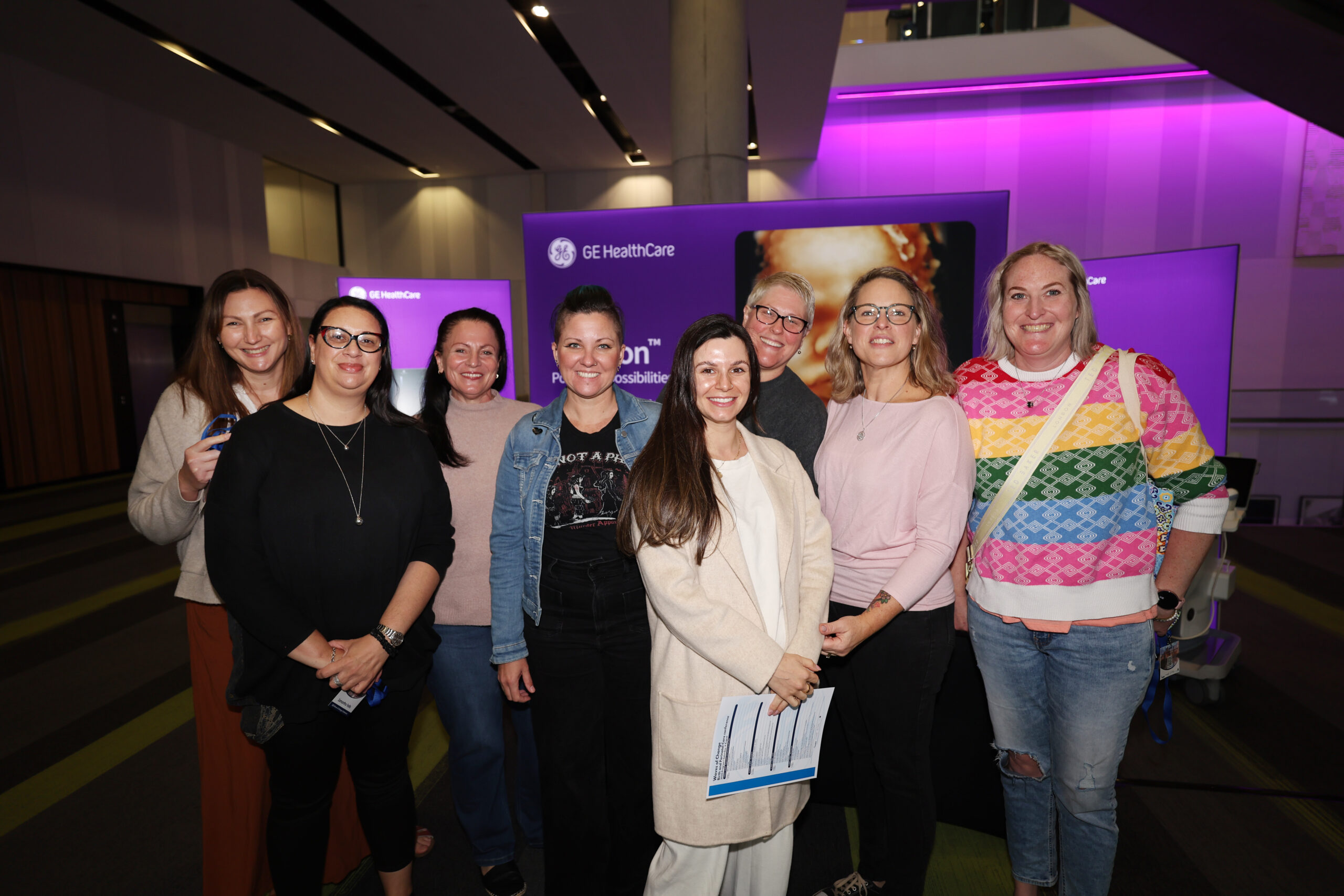
Waves of Change 2026 is proudly sponsored by GE HealthCare, Stillbirth Foundation Australia, Griffith University, Mater Research and the Gold Coast Hospital Foundation.

| 08:00 – 08:30 | Registration |
|---|---|
| 08:30 – 09:00 | Opening and welcome |
| Acknowledgement of Country Waveney Yasso | |
| Welcome from Waves of Change co-chairs Professor Fabricio Da Silva Costa and Megan Weller | |
| Update from the Chief Nursing and Midwifery Officer Professor Alison McMillan PSM | |
| 09:00 – 10:10 | The people who carried us: connection, trust and continuity in perinatal care |
| Parent-led plenary session including interactive Q&A Serrin Ainslie, Yanicka Gorski and Linda and Eddie Paget | |
| 10:10 – 10:30 | Morning Tea |
| 10:30 – 11:50 | Every family matters – caring across cultures, communities and countries |
| Partnerships in addressing stillbirth in Australia: bridging lived experience, research and care Professor Vicki Flenady AM | |
| ISA’s work to ensure that ‘every family matters’ – and relevance for Australia Dr Susannah Hopkins Leisher | |
| Implementing Birthing on Country services for Aboriginal and Torres Strait Islander families: RISE framework Professor Yvette Roe | |
| Inclusive perinatal care Dr Nisha Khot | |
| Panel Q&A | |
| 11:50 – 12:35 | From evidence to action – preterm birth |
| Reducing preterm and early term birth safely – together as a team Deyna Hopkinson and Associate Professor Chris Lehner | |
| Cervical length for the prediction of preterm birth: how, when & why Professor Helen Feltovich | |
| Panel Q&A | |
| 12:35 – 13:25 | Lunch |
| 13:25 – 15:05 | Preventing stillbirth and other adverse outcomes – balancing evidence, timing and care |
| Informed decision-making and the 39-week rule Professor Bob Silver | |
| Timing of planned birth: a scoping review of clinical guidelines Dr Elahe Nikooharf Salehi | |
| Evaluation of the Safer Baby Bundle: weighing evidence across impact, implementation, and lessons learned Dr Christine Andrews | |
| Data-driven risk stratification for stillbirth Professor Gavin Pereira | |
| Vasa previa Professor Sue Walker AO | |
| Panel Q&A | |
| 15:05 – 15:25 | Afternoon tea |
| 15:25 – 17:00 | The best of care at the worst of times – supporting families through perinatal loss |
| Tuituia Te Kahu – Aotearoa NZ National Perinatal Bereavement Care Pathway Dr Vicki Culling | |
| Building on 20 Years of impact: The expanded IMPROVE national education program Professor Adrienne Gordon and Natasha Cocker | |
| Leading change in early pregnancy loss care: Pink Elephants care standards and the CASaND guideline in action Samantha Payne | |
| Navigating complex miscarriage pathways: the power of collective action and advocacy Isabelle Oderberg | |
| Navigating inconclusive findings on early pregnancy ultrasound Professor Fabricio Da Silva Costa | |
| Panel Q&A | |
| 17:00 – 19:00 | Welcome drinks and canapes |
| 08:00 – 08:30 | Registration |
|---|---|
| 08:30 – 10:15 | Equity in practice – safe and accessible perinatal care |
| Indigenous leadership in obstetrics and culturally safe perinatal care Dr Marilyn Clarke | |
| Ultrasound outreach and improving access to care in North Queensland Dr Cecelia O’Brien | |
| Engaging young parents through relational approaches to practice Vidya Surajbali and Catherine Cooney | |
| More than a resource: How Still Yarning Strong is changing the landscape of perinatal care for First Nations families Valerie Ah Chee | |
| Trauma-informed care: supporting women and families Associate Professor Amanda Carter | |
| Panel Q&A | |
| 10:15 – 10:35 | Morning tea |
| 10:35 – 11:35 | Birth and babies – integrated care across the continuum |
| Continuity of midwifery care and multidisciplinary collaboration in medically complex pregnancies: insights from the OMGP model Abigail Murphy | |
| Cerebral palsy: an evidence update for perinatal clinicians Dr Simon Paget | |
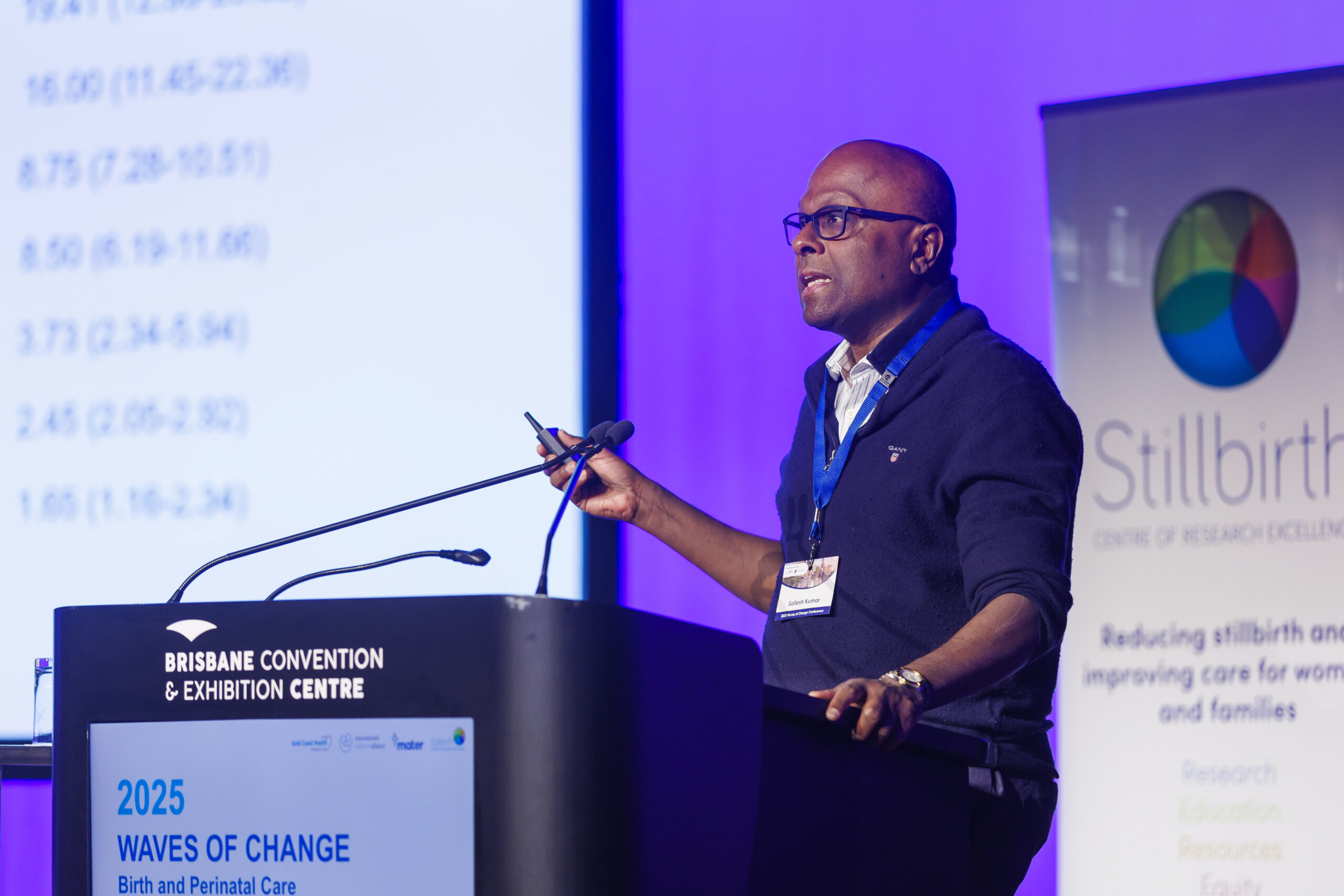
| Prediction of neonatal brain injury Professor Sailesh Kumar | |
| Panel Q&A | |
| 11:35 – 12:40 | The ripple effects – long-term outcomes of pregnancy and early life |
| The Queensland Family Cohort study Professor Vicki Clifton | |
| Hypertension in pregnancy: a window into maternal health across the lifespan Dr Helen Feltovich | |
| NIPT suspicious for malignancy – what next? Professor Glenn Gardener | |
| Panel Q&A | |
| 12:40 – 13:25 | Lunch |
| 13:25 – 14:50 | Riding the waves – innovation and future directions of stillbirth prevention |
| Continuity of care, system redesign and workforce partnerships Professor Caroline Homer AO | |
| Advancing practice and partnerships in congenital CMV prevention – time for action Professor Lisa Hui | |
| Artificial intelligence and detection of fetal asphyxia Associate Professor Fiona Brownfoot | |
| Placental science and future research directions Dr Olivia Holland | |
| Panel Q&A | |
| 14:50 – 15:10 | Afternoon tea |
| 15:10 – 17:00 | Partnerships in practice – improving outcomes for families |
| Supporting the Mental Health of Families with Perinatal Loss Hon. Associate Professor Grace Branjerdporn | |
| Supporting alcohol-free pregnancy and safe breastfeeding through a partnership approach Marie Linden | |
| Implementing digital PROMs and PREMs in maternity care: the role of stakeholder engagement Dr Valerie Slavin | |
| International Pregnancy After Loss Network: collaboration and learnings Professor Bob Silver | |
| Closing Plenary – Leadership in the trenches: growing into the leader you already are Professor Sue Walker AO | |
| Stillbirth CRE awards 2026 Karrikin Award & PhD Scholarship Announcement | |
| Closing remarks Professor Fabricio Da Silva Costa and Megan Weller | |
| Panel Q&A | |
| 17:00 | Closing |

Dr. Helen Feltovich is a Maternal–Fetal Medicine specialist whose clinical and research career focuses on improving outcomes in high‑risk pregnancy through advanced imaging, ultrasound innovation, and evidence‑based approaches to preterm birth prevention. As a physician deeply engaged in both patient care and translational research, she is recognized for her expertise in cervical imaging, biomechanical assessment of pregnancy, and the integration of cutting‑edge technologies to better understand and prevent adverse perinatal outcomes.
Dr. Feltovich is a frequent international speaker and collaborator, known for making complex science accessible and clinically applicable. Her work aims to bridge the gap between research discovery and practical implementation, empowering clinicians with tools that improve maternal and newborn health.

Dr Bob Silver is Professor of Obstetrics and Gynecology and Division Chief of Maternal Fetal Medicine at the University of Utah Health Sciences Center in Salt Lake City, Utah, USA.
His clinical interests and research focus includes recurrent pregnancy loss, stillbirth, immunology of pregnancy, complications of cesarean delivery, placenta accreta, and thromboembolism. He is involved in numerous ongoing NIH sponsored networks, trials and cohort studies and is active in the Society for Maternal Fetal Medicine, the American Gynecological and Obstetric Society and the International Stillbirth Alliance.
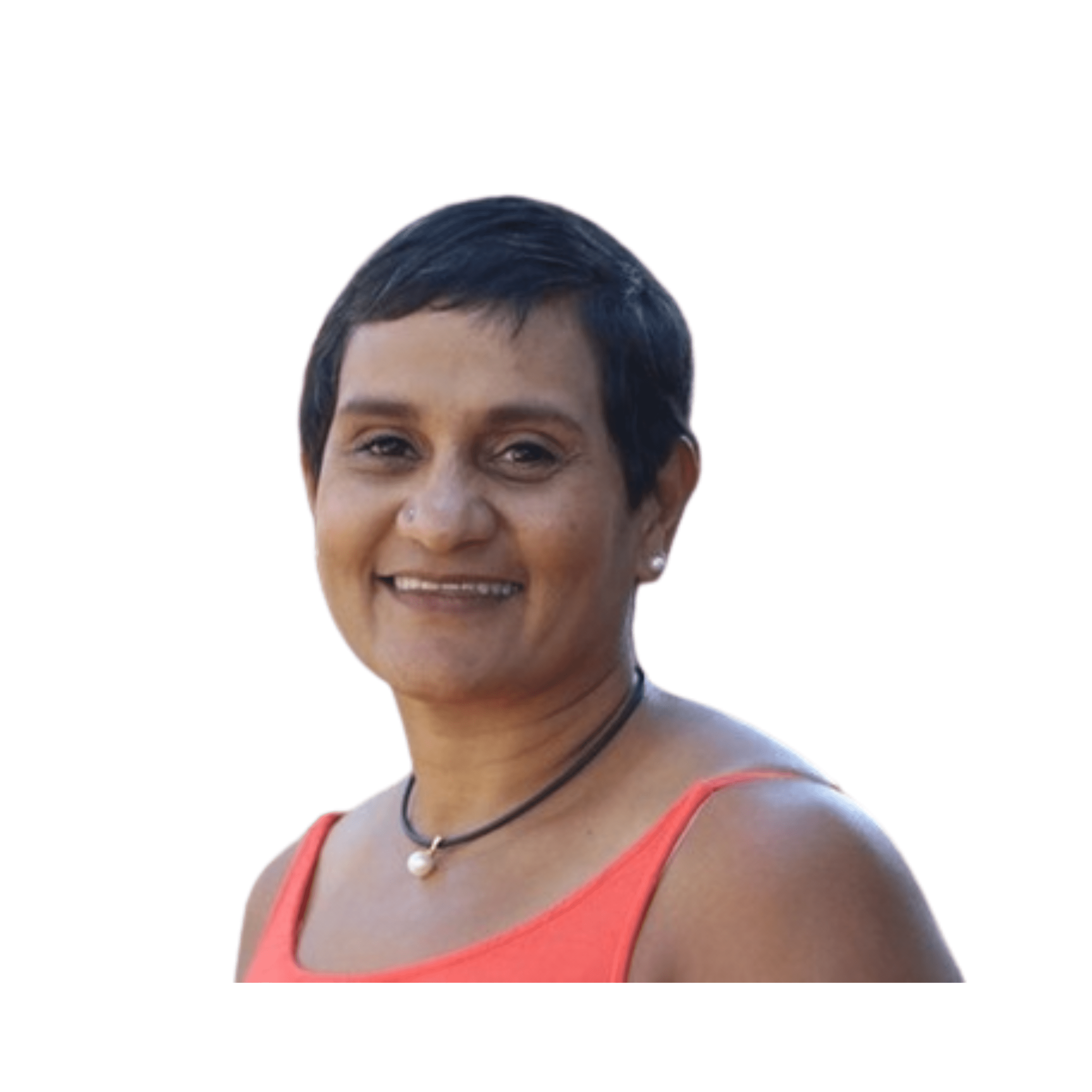
Professor Yvette Roe is a proud Njikena Jawuru woman from the West Kimberley and Director of the Molly Wardaguga Institute for First Nations Birth Rights. With more than 25 years’ experience in Indigenous health, she is an Aboriginal scholar whose research focuses on improving health outcomes for First Nations peoples through culturally safe, community-centred services and research. Professor Roe’s work spans public health, sociology and health service redesign, with a strong focus on maternal, newborn and family health and building First Nations research capacity. She has led and contributed to nationally significant research initiatives and provides strategic advice to Australia’s peak health research bodies to strengthen First Nations health research and outcomes.

Professor Caroline Homer is a leading midwifery researcher in Australia and has an international reputation as a scholar and leader in maternal and newborn health care and service delivery. In 2018, she commenced as an NHMRC Principal Research Fellow. In August 2018, she moved to the Burnet Institute in Melbourne as the Co-Program Director of Maternal, Child and Adolescent Health. She obtained her PhD in 2001 and since then has led research and development projects in Australia and internationally especially in relation to health services delivery, reproductive, maternal and newborn care, human resources for health workforce development and midwifery education. She has more than 30 years of experience in the sector – as a clinician, educator, researcher and leader.
In 2017, she was awarded an Order of Australia (AO) for distinguished service to medicine in the field of midwifery as a clinician, researcher, author and educator.
Prior to being at the Burnet Institute, Caroline was the Distinguished Professor of Midwifery, the Director of Midwifery Studies and the Director of the Centre for Midwifery, Child and Family Health at UTS and Assistant Secretary General (Midwifery) for the Global Network of WHO Collaborating Centres for Nursing and Midwifery.
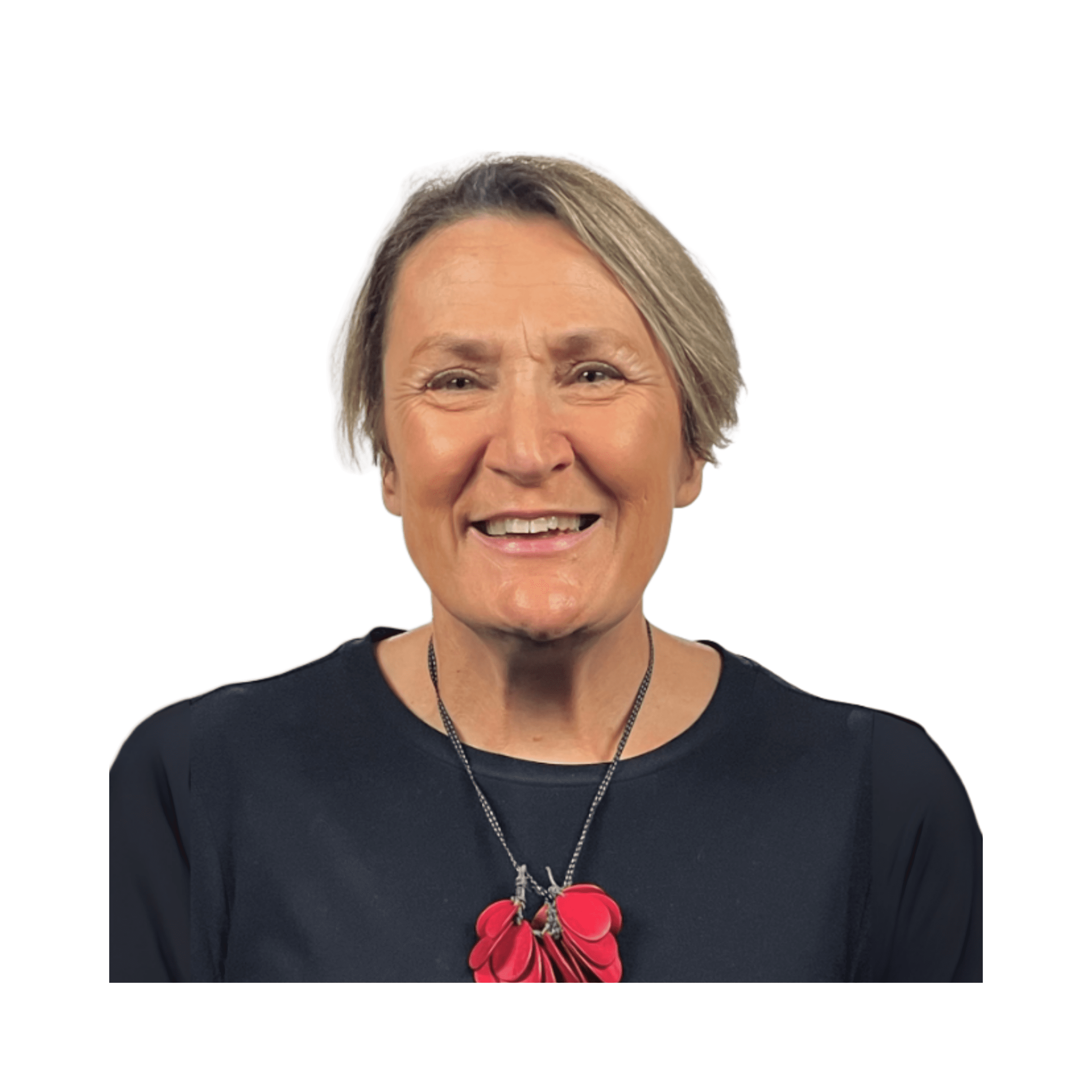
Professor Sue Walker AO is the Sheila Handbury Chair of Maternal Fetal Medicine and Head of Department of Obstetrics, Gynaecology and Newborn Health at The University of Melbourne. Sue is also Co-Director of Mercy Perinatal – a three-pillar centre of excellence committed to clinical care, education and research in high-risk pregnancy. Her own research interests focus on improving the detection and management of fetal growth disorders, treatments for pre-eclampsia, and prevention of stillbirth.

Alison has been a nurse for more than 40 years, and as the Australian Government’s Chief Nursing and Midwifery Officer, she provides high-level strategic policy advice on nursing, midwifery, health and aged care system reform, health workforce, to Ministers, the Executive and staff within the Department of Health, Disability and Aged Care, and other Government departments.
Alison has adjunct Professor appointments at the University of Canberra and Monash University and was recognised as a Distinguished Alumni by Latrobe University. She has received several awards, including a Public Service Medal in June 2021 for outstanding public service to driving the Government’s national health response priorities during the pandemic, a National Emergency Medal in recognition of service following the 2009 Victorian Bushfires and in 2021 a Humanitarian Overseas Medal.

Abigail Murphy is a clinical midwife working within the OMGP model at Mater Mothers’ Hospital providing continuity of midwifery care to women that live with medical complexities. Abby brings a strong foundation in complex maternity care and experience working within multidisciplinary teams to optimise maternal and neonatal outcomes. Abby is a strong advocate for woman-centred holistic care of high-risk women prioritising informed decision-making and multidisciplinary collaboration.
Abby holds a dual Bachelor of Midwifery and Nursing, and a Graduate Certificate in Primary Maternity Care. She is currently completing a Master of Public Health and a Master of Healthcare Leadership and Management with aspirations to undertake research exploring the benefits and sustainability of Midwifery Group Practice models caring for women with complex medical needs.

Professor Adrienne Gordon is a Senior Staff Specialist Neonatologist in the RPA Centre for Newborn Care, Clinical Professor at the University of Sydney and Chief Investigator on the Stillbirth Centre of Research Excellence. She is President of the Perinatal Society of Australia and New Zealand, Co-Chair of the IMPACT Network (Interdisciplinary Maternal and Perinatal Clinical Trials Network) and served three terms as Board Member of the International Stillbirth Alliance. She has strong links with national parent-led organisations, and is Deputy Chair of the National Red Nose Scientific Advisory Group. She is a key member of the Safer Baby Bundle initiative and leads the MRFF-funded PreBabe Trial, which aims to improve pregnancy and newborn outcomes for women with overweight or obesity. Adrienne founded the award-winning Sydney local health district iSAIL (integrated support after infant loss) service.
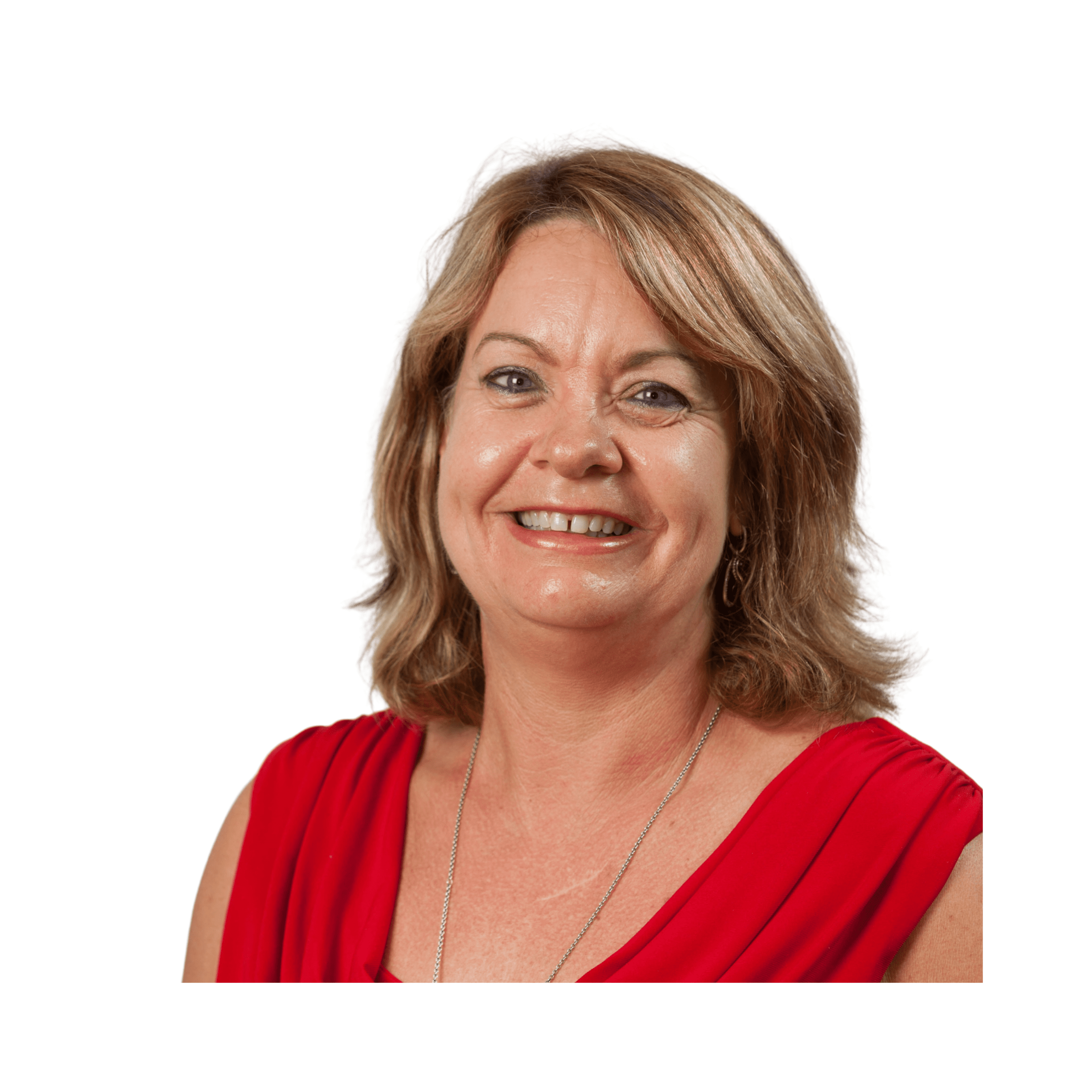
Amanda is an Associate Professor and Discipline Lead of Midwifery at Griffith University. She has been a midwife for nearly 40 years, working in a variety of midwifery clinical, leadership, executive and academic roles. Amanda completed her PhD in 2018 focusing on the development of critical thinking to inform midwifery decision-making. Her ongoing research focuses on the application of critical thinking in midwifery decision-making, improving cultural capability and trauma-informed care. She is passionate about preparing future midwives as change agents to improve care for women and babies. Amanda is a Board Director for the Australian College of Midwives.

Based in Melbourne, Catherine Cooney is a registered social worker, researcher, and reflective practice supervisor with over 20 years of experience in developing and delivering programs that support the flourishing of women and children. Her career has been dedicated to working alongside families experiencing inequality, with a strong focus on trauma-informed practice, recovery, resilience, and the social determinants of mental and emotional wellbeing.
Catherine holds a Bachelor of Arts (Sociology/History) from ANU, a Graduate Diploma in Psychology from the University of Melbourne, a Master of Social Work from Charles Sturt University, a Graduate Diploma in Counselling, and a Certificate IV in Training & Assessment. Her academic and professional journey reflects a deep commitment to evidence-based practice and lifelong learning.
Since joining Brave Foundation in April 2022 as Head of Program, Catherine has led the delivery of the Supporting Expecting and Parenting Teens (SEPT) program, providing strategic and operational support to frontline staff. Her work is grounded in a belief that all families deserve safety, fairness, and the opportunity to reach their full potential.
Prior to Brave, Catherine contributed to a reunification and preservation project at the Centre for Excellence in Child and Family Welfare in Victoria, supporting families involved in the child protection system. Her earlier roles include leading therapeutic teams at a Child and Family Centre in the ACT and serving as Director of Client Services at a women’s homelessness service, where she oversaw a collaborative mother and baby unit supporting complex reunification cases.
Catherine’s personal experience as a young parent has shaped her empathetic and inclusive approach to program design and delivery. She remains passionate about creating pathways for young families to thrive through evidence-informed, compassionate support.

Dr Cecelia O’Brien is a Maternal Fetal Medicine subspecialist working in North Queensland. Raised in Inverell, a small rural town in NSW, Cecelia has always been passionate about bringing equity in services and healthcare to women living in rural and remote Australia. Cecelia is an Associate Professor at James Cook University, co-ordinating the Reproductive and Neonatal health rotation for 5th year medical students and is actively involved in perinatal education at all levels. Cecelia is an early career researcher and completed her PhD at the University of Adelaide, in the area of fetal adiposity in the setting of maternal obesity. Cecelia is the founder of Women’s Health Circle, a specialist ultrasound and consultation service for women living rurally and remotely.

Associate Professor Chris Lehner is Queensland Clinical Lead of the National Preterm Birth Prevention Program, Executive Member of the Australian Preterm Birth Prevention Alliance and currently chairs the National Preterm Preeclampsia Screening Implementation Working Group. He works clinically as a Maternal Fetal Medicine Subspecialist Obstetrician both in public and private in Brisbane and here at the Gold Coast.
Chris currently leads several collaborative quality improvement and implementation projects that focus on improving rural and remote maternity care in Australia. He is Board Member and President Elect of the Perinatal Society of Australia and New Zealand (PSANZ).
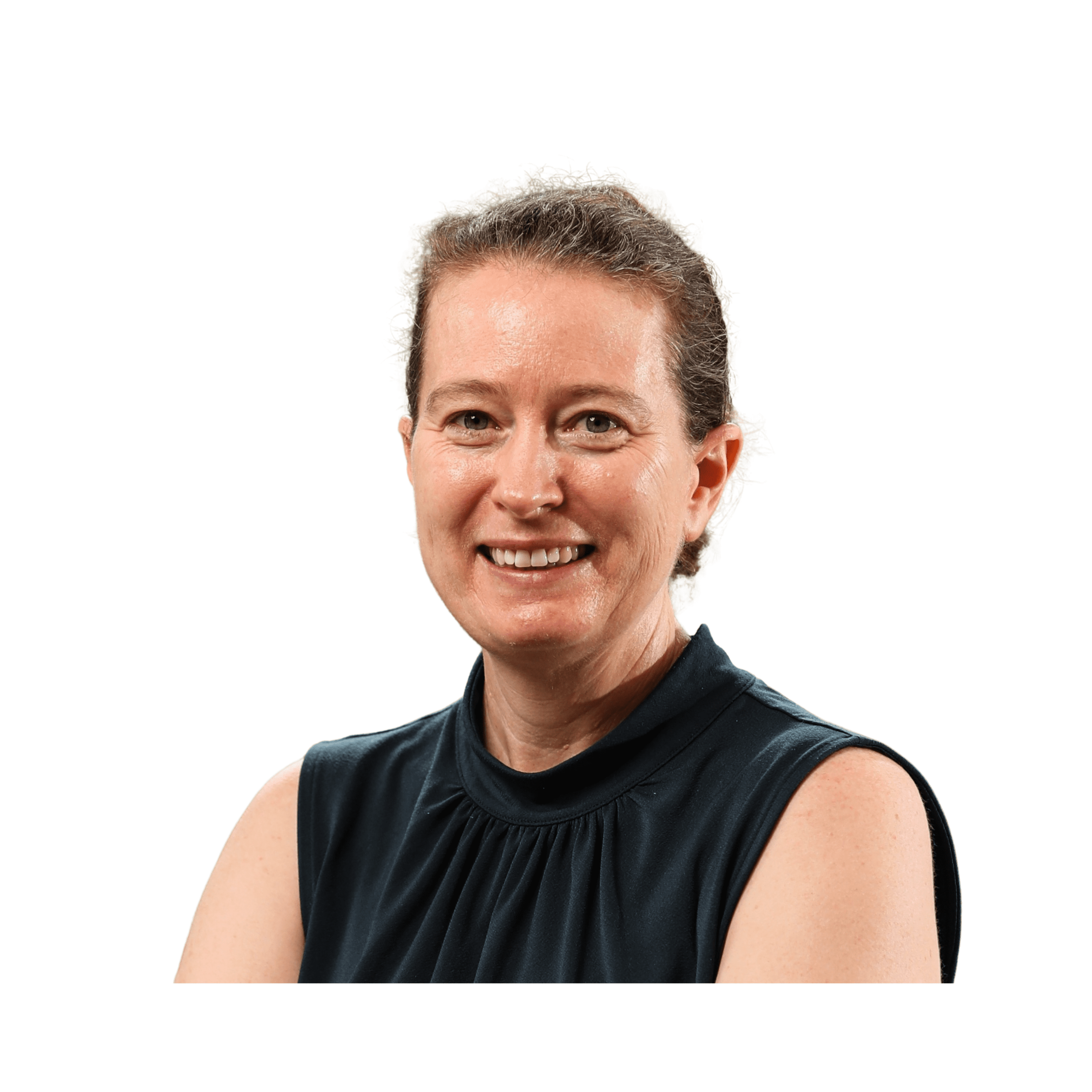
Dr Christine Andrews is a Senior Research Fellow at the NHMRC Centre of Research Excellence in Stillbirth and a nationally recognised leader in perinatal implementation science. She co-leads programs implementing stillbirth prevention strategies and strengthening consumer engagement. She oversees national rollout and evaluation of the Safer Baby Bundle to ensure safer pregnancy strategies are embedded in routine care. Christine leads an MRFF funded project; Safer Baby SEEK, a national initiative co-designed with parents to improve help-seeking in pregnancy.
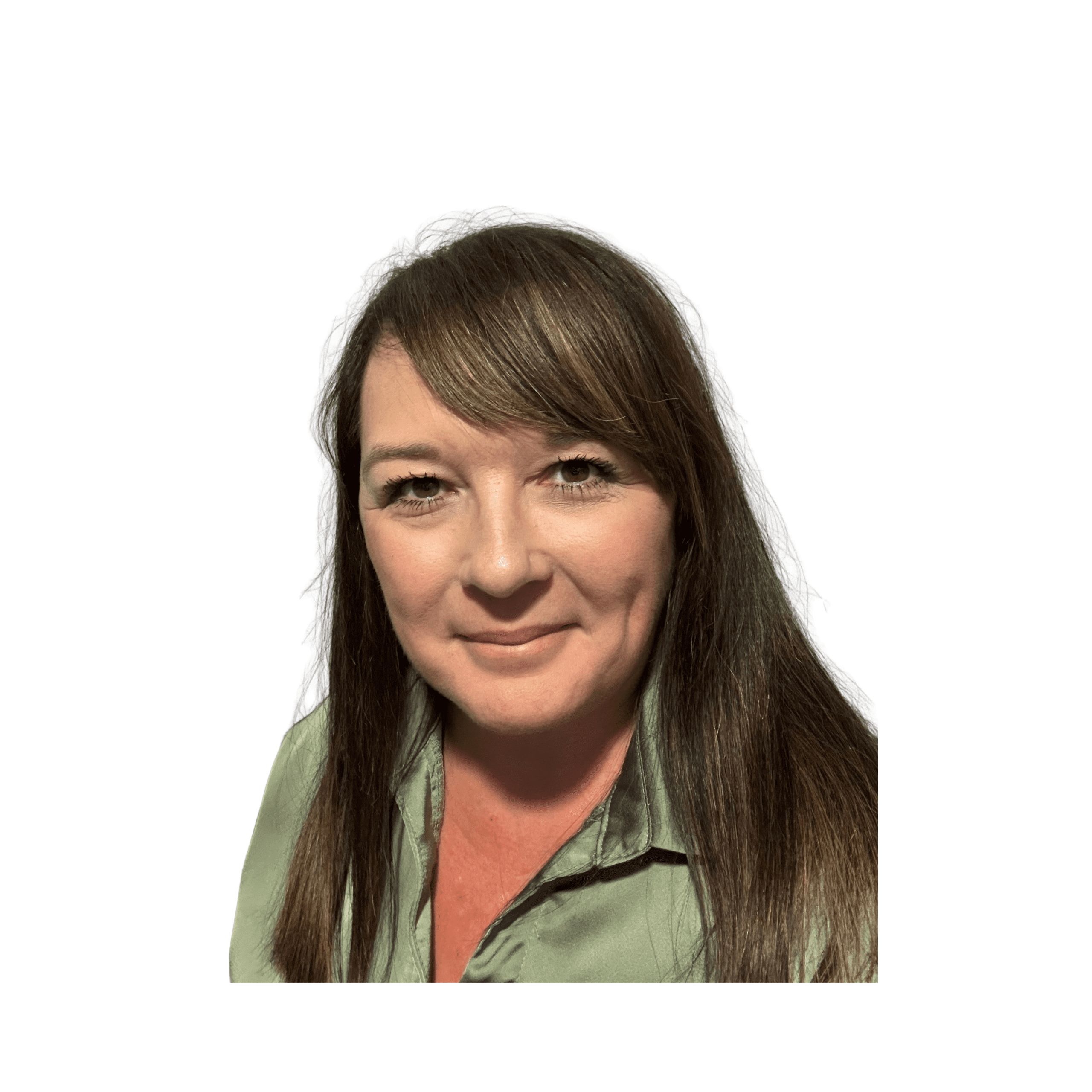
Deyna is a Clinical Midwife Consultant with Clinical Excellence Queensland. She is currently the Program Manager and Jurisdiction Lead for the National ‘Every Weeks Counts’ Preterm and Early Term Birth Prevention Program. Her clinical background is predominately focused in continuity of care models, in endorsed private practice and as a midwifery unit manager for MGP. Last year she completed her PhD exploring new graduate midwives transition to practice in midwifery continuity of care models.

Dr Elahe Nikooharf Salehi is a Research Fellow at the NHMRC Centre of Research Excellence in Stillbirth (Stillbirth CRE) at the Mater Research Institute. She is an early career public health researcher with expertise in advanced statistical modelling, evidence synthesis, and guideline development. Her work focuses on stillbirth prevention, culturally safe care, and equity-driven maternal and perinatal health research. Dr Nikooharf Salehi has contributed to national clinical guidelines, large international collaborations, and government-funded evaluation projects, and is committed to translating rigorous evidence into policy and practice to improve outcomes for bereaved families worldwide.

Prof Costa is a Consultant at the Maternal Fetal Medicine Unit, Gold Coast University Hospital and Professor of Obstetrics and Gynaecology at Griffith University. Fabricio’s integrated program of perinatal research spans laboratory-based discovery research, clinical trials, implementation science, and health policy.

Associate Professor Fiona Brownfoot is a clinician scientist, an obstetrician at the Mercy Hospital for Women and the Epworth Freemasons and a laboratory trained scientist at The University of Melbourne. She leads the Obstetric Diagnostics and Therapeutics Group, a multidisciplinary team of clinicians, scientists and engineers focused on improving outcomes for mothers’ and babies’. Her focus is on developing novel devices and using artificial intelligence to improve fetal monitoring and identifying treatments for placental disease. She is translating concepts from laboratory experiment to commercial medical grade device. She has authored over 85 publications in journals including Nature’s npj Digital Medicine, BMJ, American journal of Obstetrics and Gynaecology among others and has been the CI on research grants over $10 million and commercial grants over $2.6 million. She has received national and international awards for her work and given numerous interstate and international invited talks on innovation in obstetrics.

Professor Gavin Pereira is a perinatal and environmental epidemiologist and Dean of Research (Faculty of Health Sciences) at Curtin University WA, specialising in study design and use of large record‑linked health datasets in Australia, Norway and the United States. His work includes leading projects on stillbirth risk stratification, prediction of non-vaccination, health effects of climate-related exposures, and prior roles as a statistician at the Australian Bureau of Statistics and as an epidemiologist at the Yale Center for Perinatal, Paediatric and Environmental Epidemiology.

Dr Glenn Gardener is the Director of Maternal, Fetal and Obstetric Medicine at Mater Mothers Hospital, South Brisbane, MFM VMO to Townsville and Gold Coast University Hospitals and RANZCOG CMFM training supervisor and examiner. He is also a Senior Research Fellow with Mater Research, University of Qld. Having completing his medical training at the University of Qld, he pursued a career in Obstetrics and Gynaecology, subspecialising in Maternal Fetal Medicine and undertaking a 2-year fellowship at University College London, United Kingdom. He returned to Brisbane as Consultant in Maternal Fetal Medicine and in 2007 he was appointed Director of the service. He has authored 87 peer reviewed publications and 5 book chapters. His research interests include prenatal diagnosis, fetal therapy, fetal growth restriction, ultrasound in obstetrics, telehealth and the investigation and prevention of stillbirth.

Hon. Associate Professor Grace Branjerdporn leads research and service development at Mater Catherine’s House for Mothers, Babies and Families, as well as Gold Coast Health’s Lavender Mother and Baby Unit. Operating alongside Queensland’s largest maternity hospitals, these services deliver both inpatient and outpatient perinatal and infant mental health care.
An accomplished researcher, Grace has published over 74 peer-reviewed journal articles and secured more than $2.17 million in service development and research funding. Her research spans the entire continuum of care across the perinatal period. Recent projects cover diverse areas including digital support, mindfulness, perinatal loss, rural and remote peer work, eating disorders, domestic and family violence, and culturally and linguistically diverse care. Her work also explores sensory modulation, breastfeeding, birth trauma, inpatient care, neurostimulation, and infant mental health.
Demonstrating strong clinical leadership, Grace served as the Project Lead for the Queensland Perinatal and Infant Mental Health Statewide Guideline on “Screening and Response to Perinatal Mental Health Difficulties during COVID-19.” Additionally, she was the Clinical Lead for the submissions that successfully established Queensland’s 10-bed public mother-baby unit at Catherine’s House.
Her contributions have earned her numerous accolades, including Mater Innovator of the Year and Bond University Medical Doctorate Research Supervisor of the Year. She has presented her research at TEDxUQ, won the 3 Minute Thesis Faculty Finals, and received an Occupational Therapy Australia Research Award. Furthermore, she led the development of the Psychosocial Interventions Framework —a project supporting mental health workforce capabilities — which was recognised with an Australian Commission on Safety and Quality in Health Care Certificate of Achievement.
In her current roles, Grace fosters a culture of continuous improvement within health services, builds research capacity among clinicians, emphasises co-design, and facilitates quality improvement projects to embed high-quality, evidence-based care.

Isabelle Oderberg GAICD MICDA is the co-founder and Executive Director of the Early Pregnancy Loss Coalition. She worked as a journalist for two decades in newswires across Europe and Asia and was Australia’s first social media editor for Melbourne’s Herald Sun. Her work has appeared in The Age/SMH, Guardian, ABC, Meanjin and elsewhere. She has worked as a media and communications strategist across the not-for-profit sector. She is the former editor of Pro Bono News and Deputy CEO of the Public Interest Journalism Initiative. She is the author of the book Hard to Bear: Investigating the science and silence of miscarriage.

Professor Lisa Hui is a Maternal Fetal Medicine specialist at Mercy Hospital for Women and Professor at the University of Melbourne Department of Obstetrics, Gynaecology and Newborn Health. She leads the Reproductive Epidemiology Group at the Murdoch Children’s Research Institute. Her research focuses on prenatal screening, congenital cytomegalovirus (CMV), and improving perinatal outcomes. She works closely with clinicians and consumer partners to advance prevention strategies for congenital CMV, a preventable and under-recognised contributor to stillbirth.

Marie is an Endorsed Midwife and International Board-Certified Lactation Consultant (IBCLC) with clinical experience across the United Kingdom, United States, and Australia. She is currently part of the team at the Foundation for Alcohol Research and Education (FARE) and contributes to the Every Moment Matters national public health campaign, which focuses on evidence-based messaging regarding alcohol exposure during preconception, pregnancy, and breastfeeding.

Dr Marilyn is a proud Worimi woman and Australia’s first Aboriginal O&G specialist. She has been working as an O&G consultant on the north coast of NSW since gaining Fellowship and is passionate about rural health and First Nations women’s health. She has been the Clinical Director of O&G at Coffs Clinical Network and has moved into a District Maternity and Women’s Medical Co-lead role. Alongside her clinical work, she has been working in a research role at Southern Cross University and was recently awarded an Associate Professorship position. Her research interests include smoking cessation in First Nations women in pregnancy, culturally safe models of maternity care, and cervical screening in First Nations women in pregnancy.

Melissa Malivoire is the Parent Engagement Lead for the NHMRC Centre of Research Excellence in Stillbirth, where she leads national efforts to embed bereaved parent partnership across pregnancy and baby loss research governance, design and translation.
She manages the CRE’s Research Involvement Registry, connecting more than 300 bereaved parents and family members with opportunities across research participation, co-design, governance and implementation. She also chairs the Bereaved Parent Advocacy Committee and led the development of a national best practice guide for partnering with parents in pregnancy and baby loss research, setting practical standards for ethics, remuneration and shared decision-making.
Melissa’s leadership is grounded in lived experience following the death of her son, Leo, in 2022. Her work focuses on ensuring the parent voice is embedded structurally, not symbolically, within maternal and perinatal research systems.

Natasha Cocker is the Clinical Education Manager and National IMPROVE Coordinator at the Stillbirth CRE. She holds a Bachelor of Midwifery and a Bachelor of Nursing from the Queensland University of Technology. She is committed to enhancing collaboration between clinicians, consumers, and health services to ensure maternity care is grounded in partnership and evidence. Natasha currently manages the Stillbirth CRE’s national education initiatives, including the Safer Baby Bundle, Timing of Birth, and IMPROVE programs, supporting health services nationwide to translate research into practice and deliver consistent, evidence‑based care.

Dr Nisha Khot is the President of the Royal Australian and New Zealand College of Obstetrics and Gynaecology (RANZCOG) 2025-20257, the third female President in the past 25 years. Dr Nisha Khot is the current clinical director of obstetrics and gynaecology at Peninsula Health in Melbourne. She trained in India and the UK before moving to Australia. In addition to being President of RANZCOG, she also Chairs the Board of Multicultural Centre for Women’s Health (MCWH), a not-for-profit organisation providing health education to women from multicultural communities. She is an examiner for both Fellowship and Advanced Procedural examinations. She Co-Chairs the Australian Living Guidelines in pregnancy and postpartum group. She is passionate about gender equity and diversity especially in healthcare leadership.

Dr Olivia Holland is a Principal Research Fellow with Women, Newborn & Children Services at Gold Coast Health and a Lecturer and Lead of the Pregnancy Research Laboratory at Griffith University. Her research focuses on improving the understanding and prediction of pregnancy complications, particularly gestational diabetes mellitus and preeclampsia, to improve maternal and perinatal outcomes. By integrating routine clinical data with advanced placental and circulating molecular analyses, her work aims to support earlier risk identification and more personalised, high-value care.

Professor Sailesh Kumar leads the Genesis Maternal Fetal Medicine Research Group at Mater Research, with a group of seventeen researchers. He is also Head of the Academic Discipline of Obstetrics and Gynaecology at the University of Queensland (UQ) and Senior Specialist in Maternal & Fetal Medicine/Obstetrics & Gynaecology at Mater Mothers’ Hospital.
Sailesh leads an active perinatal research group in maternal fetal medicine and fetal imaging, and currently works on the development of techniques for better prediction of adverse pregnancy outcomes. He has written a popular Fetal Medicine Handbook and has over 110 publications. In the United Kingdom (UK) he supervised to completion five PhD and 22 Masters Students. He currently supervises a number of PhD and Honours students at UQ.
Sailesh is internationally recognised for his wide contributions to fetal medicine. He was a member of the Royal College of Obstetricians & Gynaecologists (RCOG) Guidelines and Scientific Advisory Committees and is an associate editor of the journal Fetal and Maternal Medicine Review published by Cambridge University Press.
Sailesh completed his Doctorate at the Nuffield Department of Obstetrics and Gynaecology, University of Oxford in 2000, and was awarded a Fellowship in Maternal & Fetal Medicine to work at Queen Charlotte’s & Chelsea Hospital and Imperial College London before being appointed as a consultant in 2001. He is an accredited Maternal & Fetal Medicine specialist both in the UK and Australia, and Fellow of the Royal College of Surgeons of Edinburgh, Royal College of Obstetricians & Gynaecologists (UK) and Royal Australian & New Zealand College of Obstetricians & Gynaecologists.
Sailesh is Chief Investigator on two successful National Health and Medical Research Council (NHMRC) applications, and his students have been awarded UQ Research Scholarships and NHMRC Postgraduate Scholarships.

Sam Payne is the Co-Founder and CEO of The Pink Elephants Support Network. Sam is driven to ensure no one faces the journey of early pregnancy loss alone and that every bereaved parent receives the support, empathy, and understanding they deserve. Sam is an empathetic, engaging, knowledgeable, and impactful advocate for those experiencing early pregnancy loss. She is an experienced public speaker with an ability to engage all. She speaks from the heart, sharing her own journey as well as those of the thousands that Pink Elephants support. She links to a strong evidence base to create a clear call to action to inspire enhanced support for those experiencing early pregnancy loss. She is challenging cultural norms, breaking the silence, and initiating much-needed change.

Dr Simon Paget is a Rehabilitation Medicine Paediatrician and clinician–researcher with expertise in childhood-onset disability, early neurodevelopment, and health system innovation. He trained at the University of London (UK) and completed his PhD at the University of Sydney. He is currently a Senior Staff Specialist in Paediatric Rehabilitation at Gold Coast University Hospital and an Academic Associate Professor at Griffith University.
Dr Paget’s work sits at the intersection of childhood disability, health equity, and digital health. He is committed to using clinical research to inform policy and redesign models of care. His recent projects have combined routinely collected health data with consumer co‑design to better understand the needs of families of children living with disability and how current service models respond to these needs. His broader research aims to strengthen early identification pathways, improve access to rehabilitation, and ensure people with disability receive coordinated, person‑centred care across the health continuum.

Dr Susannah (Zan) Hopkins Leisher is a stillbirth epidemiologist, global stillbirth advocate, and parent to Wilder Daniel, stillborn at 38½ weeks on July 13, 1999, with no cause found. Her stillbirth research interests include structural racism and epigenetic mechanisms of effect. Dr Leisher was a Peace Corps volunteer in Nepal and then spent over 20 years working on global poverty and social justice in Asia, Africa and Central America, including ten years in Vietnam. At the University of Utah, Dr Leisher is co-director of the first Stillbirth Center of Excellence in the United States. She is an honorary research fellow of the Stillbirth Centre for Research Excellence at the University of Queensland, Australia; ex-officio chair of the International Stillbirth Alliance; and a member of the Steering Committee of AlignMNH, the MFMU Network’s Community Engagement Board, and the WHO/UNICEF’s Every Woman Every Newborn Everywhere Management Team.

Valerie is a proud Bindjareb Nyoongar and Palyku woman, mum, nana and midwife from Western Australia who currently works at the Stillbirth CRE as the Indigenous Research Midwife developing culturally safe resources for First Nations women to increase health literacy around stillbirth and stillbirth prevention to reduce the risk of preventable stillbirths. Valerie has been a midwife since 2016 after graduating from Curtin University with a Bachelor of Science in Midwifery. Since then, Valerie has worked clinically at Armadale Kelmscott Hospital, Women’s and Children Hospital in Armadale, St John of God Midland and then went into research during Covid, working at the Ngangk Yira Institute for Change on Baby Coming You Ready? Valerie is passionate about culturally safe care and non-Indigenous maternity health care providers acknowledging our strength and determination and understanding the true impact of colonisation on First Nations women’s bodies, pregnancies, birthing and mothering.

Dr Valerie Slavin is the Assistant Director of Midwifery Research in Women, Newborn and Children’s Services at GCUH. With over 25 years of clinical expertise, and a passion for quality improvement, Valerie has successfully navigated concurrent clinical and research roles since 2010. Awarded her PhD in 2020, Valerie’s current program of work brings together her expertise in value-based approaches to healthcare and implementation science methodologies to deliver highly impactful projects that optimises care and outcomes for pregnant women and their babies. Valerie’s current program of work harnesses digital health technologies to deliver personalised and precision-based maternity care – Australian firsts.

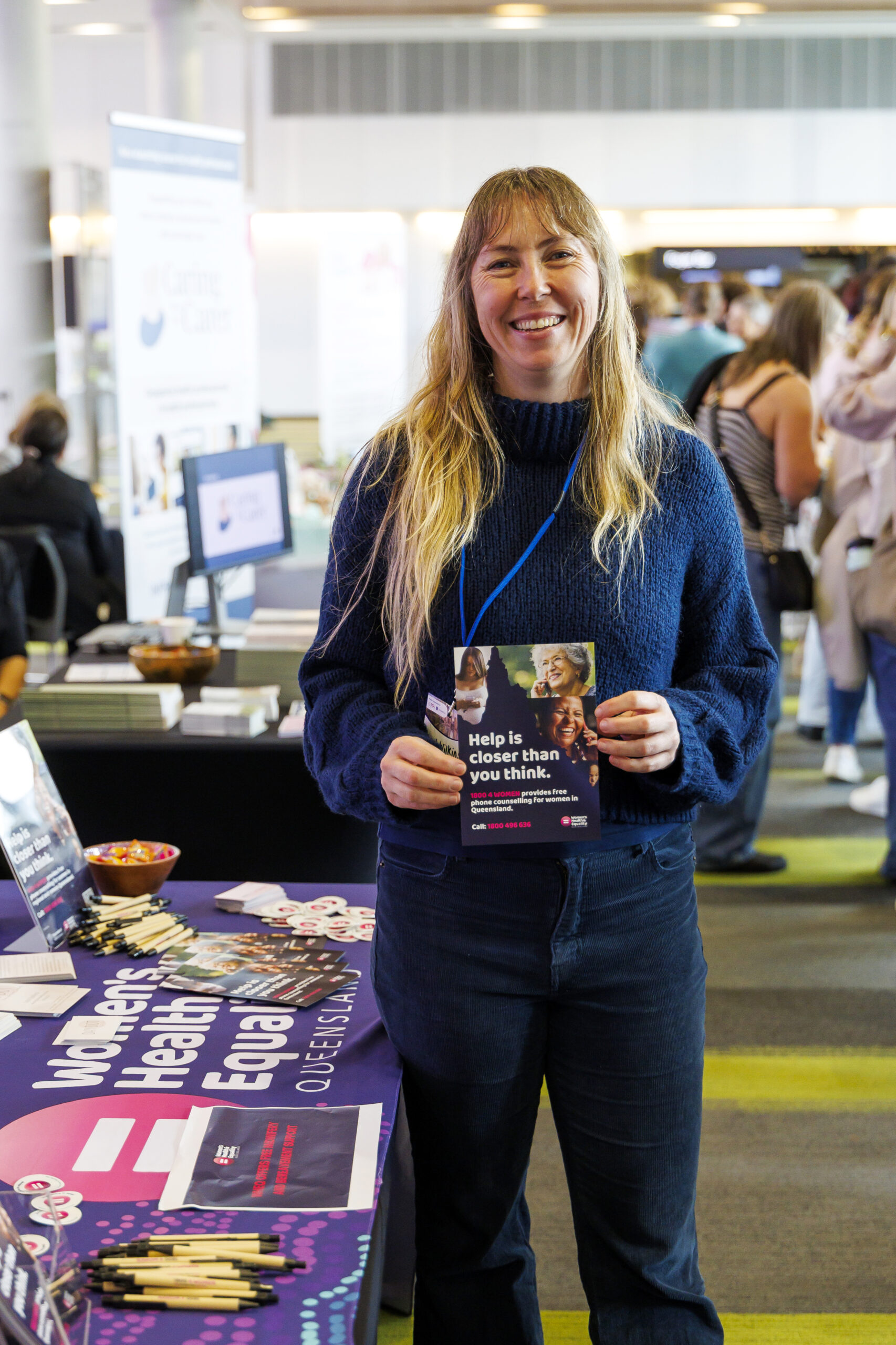
Professor Vicki Clifton is a Mater Research Institute-University of Queensland Amplify Fellow whose research expertise encompasses clinical trials and basic biology in the field of Obstetrics. Her research focus is on examining the effect of stress during human pregnancy on maternal health, placental function, fetal growth and child health. She is particularly recognised in her field for her work on the sex specific function of the human placenta and how the placenta responds to stress and then influences fetal growth and pregnancy outcomes. Vicki currently leads the Queensland Family Cohort study, which is a state-wide longitudinal, birth cohort study collecting in depth data on parental and child health and linking outcomes to biological mechanisms. She holds many leadership positions related to women’s health and was made a Fellow of the Royal Society of Medicine due to her contribution to the field. She has been a pioneer for women in science, being the first female President of the Endocrine Society of Australia and first female Editor of the Placenta Journal. She is currently Board Chair of Women’s Health and Equality QLD, a not-for-profit organisation that runs the Women’s Health Line in QLD.

Dr Vicki Culling, PhD, is a bereaved parent, experiencing the stillbirth of her first daughter over 25 years ago. She has been actively involved in Sands New Zealand (a national non-profit organisation supporting bereaved parents and families) for over 20 years. Vicki was a committee member of the Perinatal and Maternal Mortality Review Committee (PMMRC) from 2005 to 2011 and was Co-Chair of the Technical Advisory Group that developed NZ’s National Perinatal Bereavement Care Pathway. Her business, Vicki Culling Associates, was established in 2011 with the audacious goal of changing the landscape of perinatal and infant loss in NZ through improved education, information and support.
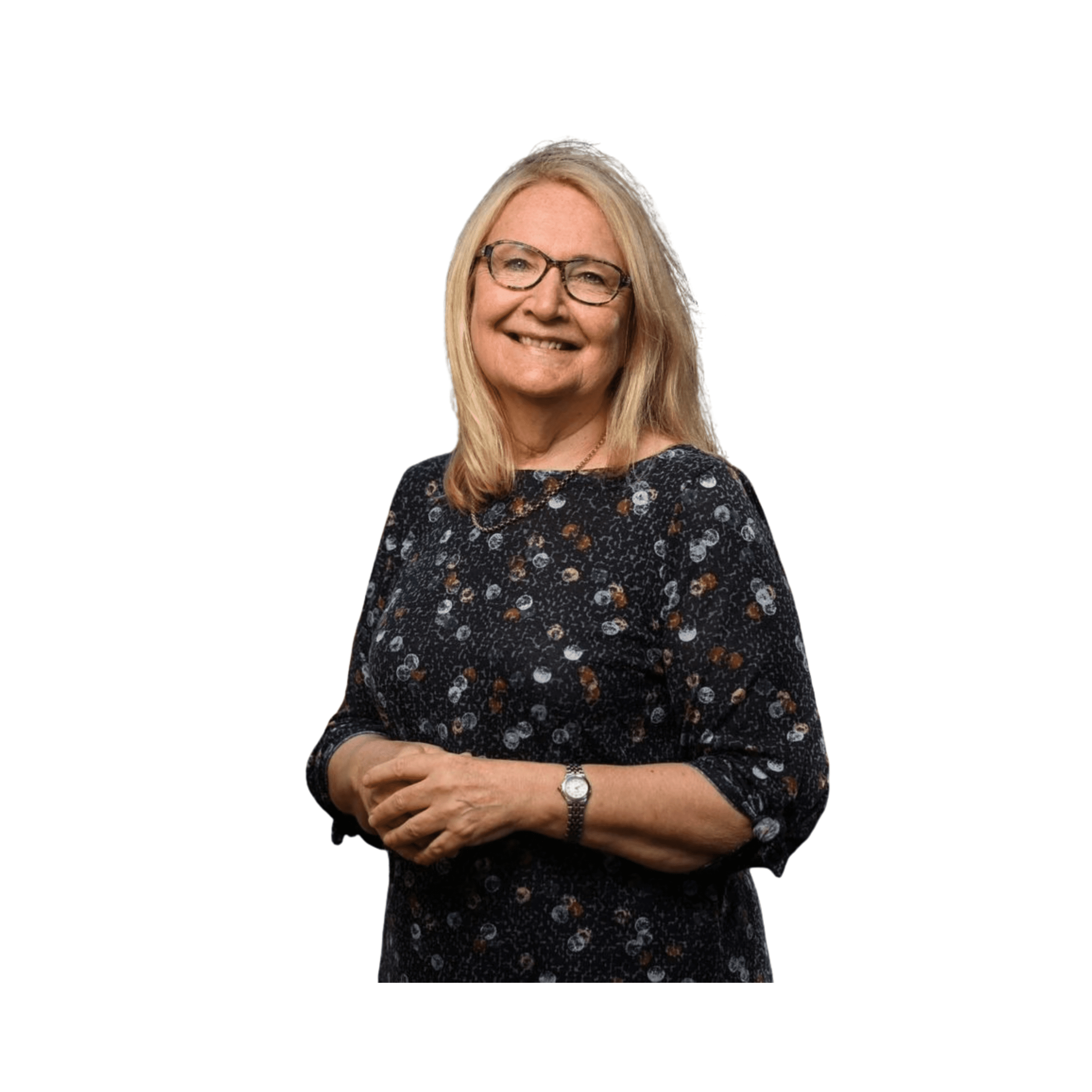
Professor Vicki Flenady is the Co-Director of the Australian National Health and Medical Research Council (NHMRC) Centre of Research Excellence in Stillbirth. Vicki’s research focuses on collaborative programs in Australia and globally to effectively reduce the number of babies who are stillborn and to improve care for families who experience this loss.

Vidya Surajbali is Brave Foundation’s Northern Team Leader, based in Brisbane, bringing over a decade of experience across the social and community services sector. She is a registered social worker and holds a Master of Social Work. She began her career in Canada, supporting individuals with complex mental health needs, before relocating to Australia, where she has worked as a Case Manager and Team Leader in homelessness and mental health outreach services.
She is committed to fostering connection and ensuring young parents feel seen, heard, and valued. Her work reflects a deep dedication to compassionate, person-centred support and empowering individuals to achieve positive outcomes.

Megan is a Registered Midwife and Registered Nurse. She is passionate about providing holistic, women-centered care to women, babies and families. Megan has a clinical background in continuity of care and has been a longstanding part of the Stillbirth Centre of Research Excellence team, previously leading education programs (including the international IMPROVE program), guideline and resource development. She is dedicated to translating research into practical and providing evidence-based tools for families and clinicians to prevent stillbirth and provide compassionate care after perinatal loss
Megan is currently undertaking her PhD with the University of Queensland and the Stillbirth Centre of Research Excellence focused on improving parents experiences of perinatal mortality audit: the role of the midwife. Megan’s work will explore how we can better support parents in understanding why their baby died. Her work highlights the vital role of midwives in helping families make sense of their loss, informing future pregnancies, and contributing to prevention.
Prof Costa is a Consultant at the Maternal Fetal Medicine Unit, Gold Coast University Hospital and Professor of Obstetrics and Gynaecology at Griffith University. Fabricio’s integrated program of perinatal research spans laboratory-based discovery research, clinical trials, implementation science, and health policy.
Professor Vicki Flenady, Professor Fabricio Da Silva Costa, Professor Glenn Gardener, Professor David Ellwood, Professor Adrienne Gordon, Valerie Ah Chee, Dr Olivia Holland, Danielle Borg, Melissa Malivoire, Emma Porter, Dr Christine Andrews, Associate Professor Fran Boyle, Dr Valerie Slavin and Professor Sailesh Kumar.
Early bird tickets on sale now.
| Early Bird Pricing | Regular Pricing | One-Day Only Pricing | |
| Medical Practitioners/Senior Researchers/Policymakers | 790 | 990 | 395 |
| Midwifery/Nursing/Researchers/Allied Health | 520 | 650 | 260 |
| Students/Parents | 250 | 275 | 125 |
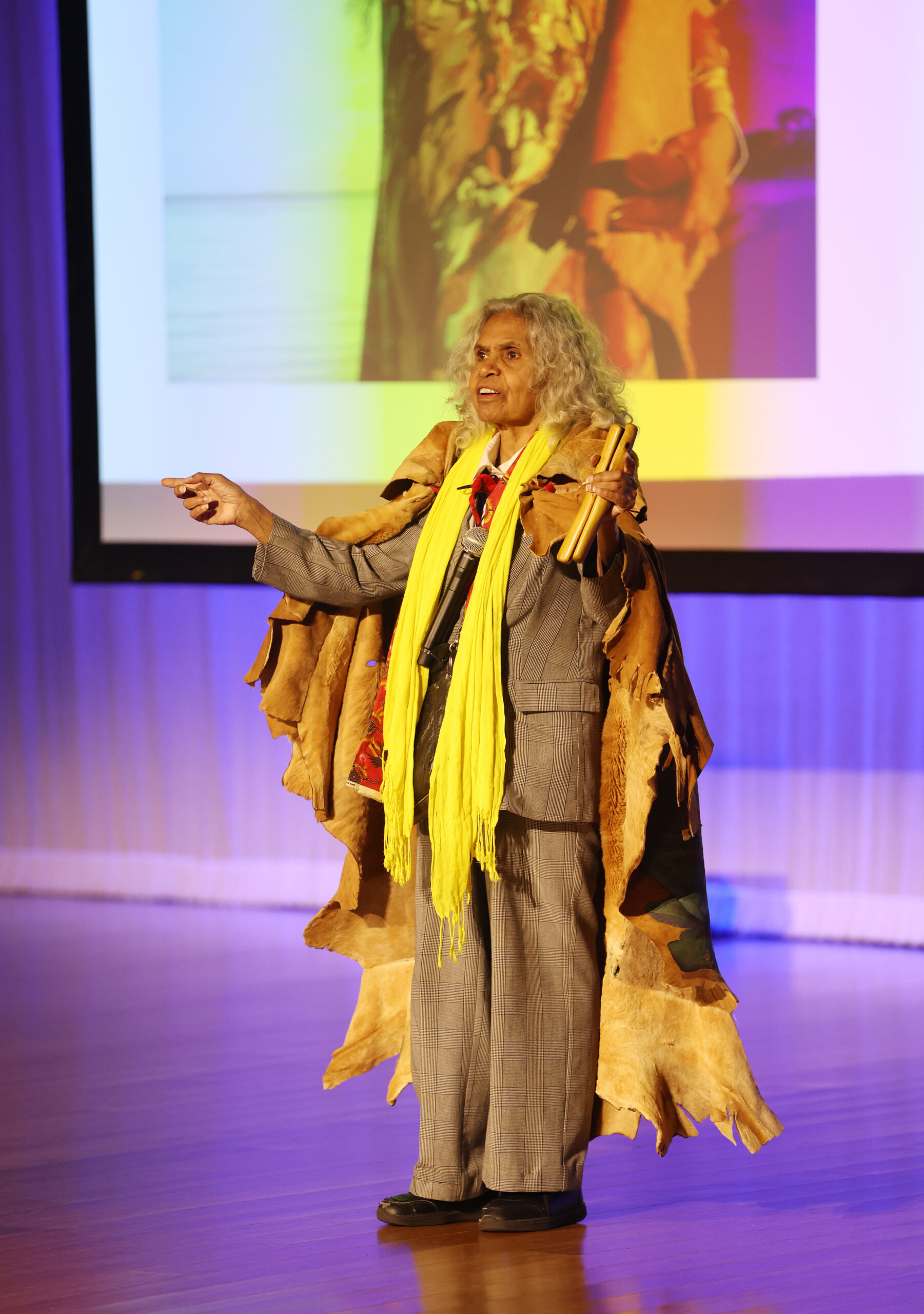



Level 3, Aubigny Place
Mater Research Institute
Raymond Terrace,
South Brisbane QLD 4101
The University of Queensland Faculty of Medicine